Ramana Maharshi Quotes: Wisdom on Self-Inquiry & Liberation
Introduction: The Voice of Silence Speaking
Among the luminaries of modern spiritual awakening, few voices echo with the clarity and authority of Ramana Maharshi. His words—sparse, precise, and born from direct realization—continue to guide seekers across the world toward the recognition of their true nature. These Ramana Maharshi quotes are not mere philosophical statements but living pointers toward the Self, each one a doorway through which the earnest seeker may glimpse the infinite.
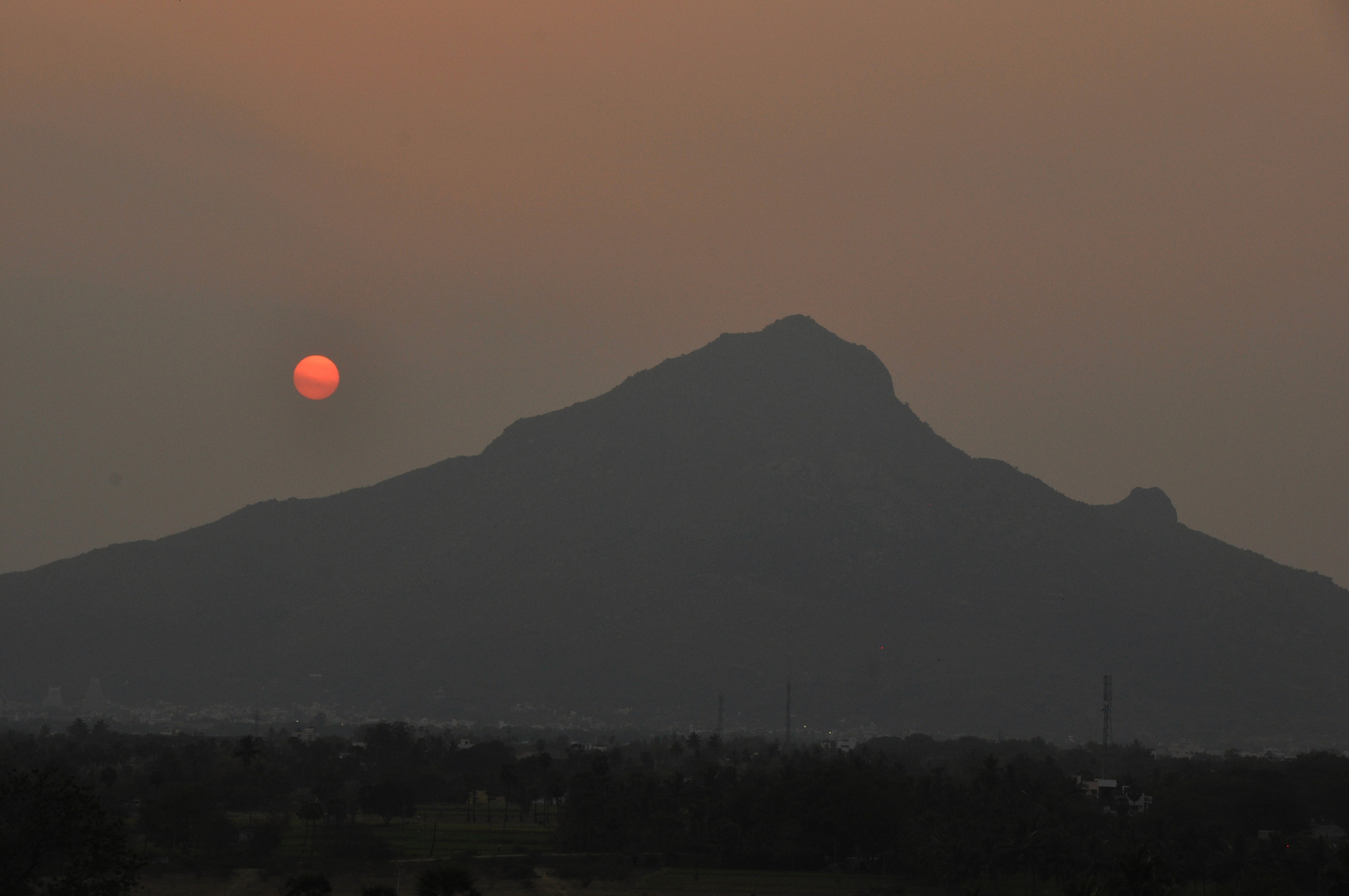
Born Venkataraman Iyer in 1879, the young man who would become Ramana Maharshi experienced a spontaneous awakening at age sixteen in Madurai. This death experience—where he consciously investigated "Who am I?" as the body appeared to die—catapulted him into irreversible Self-realization. He subsequently traveled to Arunachala, the sacred mountain he recognized as his spiritual home, where he remained for the rest of his life, teaching primarily through silence and occasional speech.
What makes Ramana Maharshi's teachings uniquely accessible is their directness. He offered no elaborate rituals, no complicated philosophical systems, no requirement for years of preliminary practices. Instead, his words point immediately to the heart of Advaita Vedanta: the inquiry into one's essential nature. In this comprehensive exploration, we present his most transformative quotes organized by theme, each one a seed of awakening for those ready to receive it.
Ramana Maharshi Quotes on Self-Inquiry (Atma Vichara)
Self-inquiry—atma vichara—stands at the core of Ramana Maharshi's teaching. This practice, which he emphasized above all others, involves turning attention away from objects of consciousness toward the subject itself: the "I" that experiences.
"Your own Self-realization is the greatest service you can render the world."
This foundational quote dismantles the ego's tendency to seek fulfillment in external action. Ramana Maharshi reminds us that true service begins not with doing but with being. When one realizes the Self, the illusion of separation dissolves, and all actions naturally align with universal harmony. This teaching resonates throughout his conversations with disciples, where he consistently redirected seekers from outward concerns to inward investigation.
"The question 'Who am I?' is not really meant to get an answer; the question 'Who am I?' is meant to dissolve the questioner."
Here lies the radical nature of self-inquiry. Unlike conventional questions that seek information, this investigation dissolves the very structure of the separate self. The one who asks "Who am I?" is the ego, and through persistent inquiry, the ego's illusory nature becomes transparent. What remains is pure awareness, the unchanging witness of all experience.
"All that is required to realize the Self is to be still."
Simplicity itself. Yet this stillness is not mere physical quietude but the cessation of mental modifications—what Patanjali calls chitta vritti nirodha. In this stillness, the Self shines forth effortlessly, for it was never absent, only overlooked. This quote encapsulates Ramana's teaching that enlightenment is not an achievement but a recognition of what already is.
For those interested in practicing self-inquiry meditation, our dedicated guide on [self-inquiry meditation techniques] provides step-by-step instructions rooted in Ramana Maharshi's direct teachings.
Quotes on the Nature of Reality and the Self
Ramana Maharshi's understanding of reality aligns perfectly with classical Advaita Vedanta, yet his expression carries the immediacy of lived experience rather than scholarly abstraction.
"There is no greater mystery than this: Being Reality ourselves, we seek to gain Reality."
This paradox illuminates the fundamental predicament of spiritual seeking. The Self we search for is the very consciousness conducting the search. Like the eye that cannot see itself, awareness overlooks its own nature while seeking objects. The humor and tragedy of spiritual seeking lies in this: we already are what we desperately seek to become.
"The world is illusory; Brahman alone is real; Brahman is the world."
Here Ramana quotes the classical Vedantic formulation attributed to Adi Shankaracharya, affirming the teaching that apparent multiplicity is none other than the singular reality appearing in myriad forms. The world is not negated but recognized as the play (lila) of consciousness. This understanding dissolves both extreme materialism and world-denying asceticism.
"That which is, is only One. People call it by various names such as God, Brahman, Self, etc."
In this statement, Ramana Maharshi transcends sectarian boundaries, pointing to the reality beyond all names and forms. Whether one worships Shiva, meditates on Brahman, or investigates the Self, all paths ultimately converge in the recognition of non-dual awareness. This ecumenical spirit characterized his entire teaching, welcoming seekers from all traditions.
"See who you are and remain as that. This is enough."
Profound in its simplicity, this instruction contains the entire path. Investigation of one's true nature leads to the recognition of pure being-consciousness-bliss (sat-chit-ananda), and abiding as that recognition constitutes the fulfillment of all spiritual aspiration.
Those exploring the philosophical foundations of these teachings may find our comprehensive article on Ramana Maharshi's teachings and philosophy illuminating.
Ramana Maharshi Quotes on Mind, Ego, and Liberation
The relationship between mind, ego, and liberation forms another central theme in Ramana's discourse. He offers practical wisdom on navigating the mechanisms of identification and suffering.
"Mind is consciousness which has put on limitations. You are originally unlimited and perfect. Later you take on limitations and become the mind."
This quote reveals the genesis of suffering. Pure consciousness, through a mysterious process of self-limitation, creates the appearance of a bounded individual—the mind-ego complex. Liberation involves recognizing that these limitations are superimposed, not intrinsic to our true nature.
"The degree of freedom from unwanted thoughts and the degree of concentration on a single thought are the measures to gauge spiritual progress."
Rather than mystical experiences or supernatural powers, Ramana offers a practical metric for assessing one's development. As attention stabilizes and mental chatter diminishes, the ground of being becomes increasingly accessible. This teaching emphasizes discipline without dogmatism.
"Silence is unceasing eloquence. It is the best language."
Ramana Maharshi spent extended periods in silence, particularly during his early years at Arunachala. His silence was not absence but fullness—a transmission beyond words that many disciples found more transformative than elaborate teachings. In his presence, seekers often experienced spontaneous quieting of mental turbulence and glimpses of their true nature.
"There is neither creation nor destruction, neither destiny nor free will, neither path nor achievement; this is the final truth."
From the absolute perspective (paramarthika), all distinctions collapse. This quote expresses the highest teaching of Advaita, where even spiritual practice is seen as ultimately unreal. However, Ramana balanced this absolute teaching with relative guidance, acknowledging that for seekers identified with body-mind, practices like self-inquiry serve as necessary bridges.
"Your duty is to be, and not to be this or that."
This elegant formulation distinguishes pure existence from identification with particular roles, qualities, or states. Liberation involves releasing all definitions while resting in the simple fact of being.
Practical Guidance for Daily Life
While Ramana Maharshi pointed primarily to the absolute, he also offered practical wisdom for navigating everyday existence.
"Happiness is your nature. It is not wrong to desire it. What is wrong is seeking it outside when it is inside."
This quote addresses the universal pursuit of happiness, validating the desire while redirecting the search. External objects and circumstances can never provide lasting fulfillment because happiness is intrinsic to our essential nature. When recognized as such, the desperate seeking that characterizes most human life naturally subsides.
"Grace is always present. You imagine it as something high in the sky, far away, something that has to descend. It is really inside you, in your Heart."
Ramana's teaching on grace dismantles the notion of a distant deity dispensing favors. Grace—the power that enables awakening—is none other than the Self recognizing itself. The spiritual Heart (hridaya), located slightly to the right of the physical heart according to Ramana's direct experience, serves as the seat of this recognition.
For pilgrims planning to visit the sacred mountain where Ramana lived and taught, our guide on visiting Tiruvannamalai and Arunachala offers essential practical information.
Quotes on Devotion, Surrender, and the Guru
Though primarily known for the path of self-inquiry (jnana marga), Ramana Maharshi equally honored devotion (bhakti) and surrender, recognizing different temperaments among seekers.
"God dwells in you, as you, and you don't have to 'do' anything to be God-realized or Self-realized, it is already your true and natural state."
This radical statement of identity between devotee and divine aligns with the mahavakyas (great statements) of the Upanishads: "Thou art That" (Tat Tvam Asi) and "I am Brahman" (Aham Brahmasmi). The path of devotion, properly understood, leads to the same destination as self-inquiry: the recognition of non-separation.
"The master is within; meditation is meant to remove the ignorance that you do not know you are the master."
While disciples revered Ramana as their guru, he consistently deflected this worship, pointing instead to the true guru—the Self within each seeker. The external guru serves as a mirror, reflecting back to the disciple their own inherent nature until recognition occurs.
"Surrender is to give oneself up to the original cause of one's being."
This definition of surrender (prapatti) clarifies that it is not submission to an external authority but a return to one's source. By releasing the burden of personal doership, the ego dissolves back into its origin, revealing the Self that was never bound.
Learn more about Ramana Maharshi's extraordinary life journey in our detailed biography of Ramana Maharshi.
Timeless Wisdom from Arunachala's Sage
As we reflect on these Ramana Maharshi quotes, several themes emerge consistently: the primacy of self-inquiry, the non-dual nature of reality, the simplicity of the direct path, and the accessibility of liberation to all sincere seekers regardless of background or qualification.
What distinguishes Ramana's teaching is its absence of complication. He never claimed special authority based on scriptural knowledge or mystical experiences. Instead, he spoke from the certainty of direct realization, confirming what the ancient sages knew: that the Self is ever-present, ever-accessible, requiring only the turning of attention from objects to subject.
These quotes serve not as intellectual concepts to be collected but as practical instructions to be applied. Each statement invites investigation, contemplation, and ultimately, recognition. For the seeker ready to question the fundamental assumption of separation, Ramana Maharshi's words act as catalysts, dissolving the veils between the apparent individual and the infinite reality.
The power of these teachings lies in their timelessness. Whether encountered in 1950 at the foot of Arunachala or in 2025 through digital media, Ramana Maharshi's quotes retain their potency. They address not cultural or historical circumstances but the eternal human question: "Who am I?" And they point, with unwavering consistency, toward the only answer that ends all questions: the direct recognition of one's true nature as pure, limitless awareness.
Conclusion: Living the Wisdom of Ramana Maharshi Quotes
The Ramana Maharshi quotes explored in this article are not meant for mere intellectual appreciation. They are invitations to experiential investigation, doorways through which the earnest seeker may pass from confusion to clarity, from seeking to being. As Ramana himself might say, understanding these words conceptually holds little value; living them transforms everything.
For those called to deeper exploration, the sacred mountain of Arunachala where Ramana lived and taught continues to draw seekers from across the world. The presence he embodied remains palpable in the caves where he meditated, the ashram he made his home, and the mountain path pilgrims circumambulate in devotion. His teaching—that the Self is ever-present and accessible through simple inquiry—continues to awaken those ready to hear it.
We invite you to explore our comprehensive resources on Arunachala and its spiritual significance, discover the daily teachings section for ongoing inspiration, and learn about the [other saints and sages] who walked this sacred path. Whether you're planning a pilgrimage to Tiruvannamalai or deepening your practice from wherever you are, arunachalasamudra.in serves as your companion on this journey of self-discovery.
Begin your exploration today: Visit our https://arunachalasamudra.in/ramana-library for talks, dialogues, and deeper philosophical discussions. Join our growing community of seekers by subscribing to receive sacred wisdom directly to your inbox, and discover why Arunachala remains the spiritual heart for those walking the path of self-realization.
Share this story
More Stories
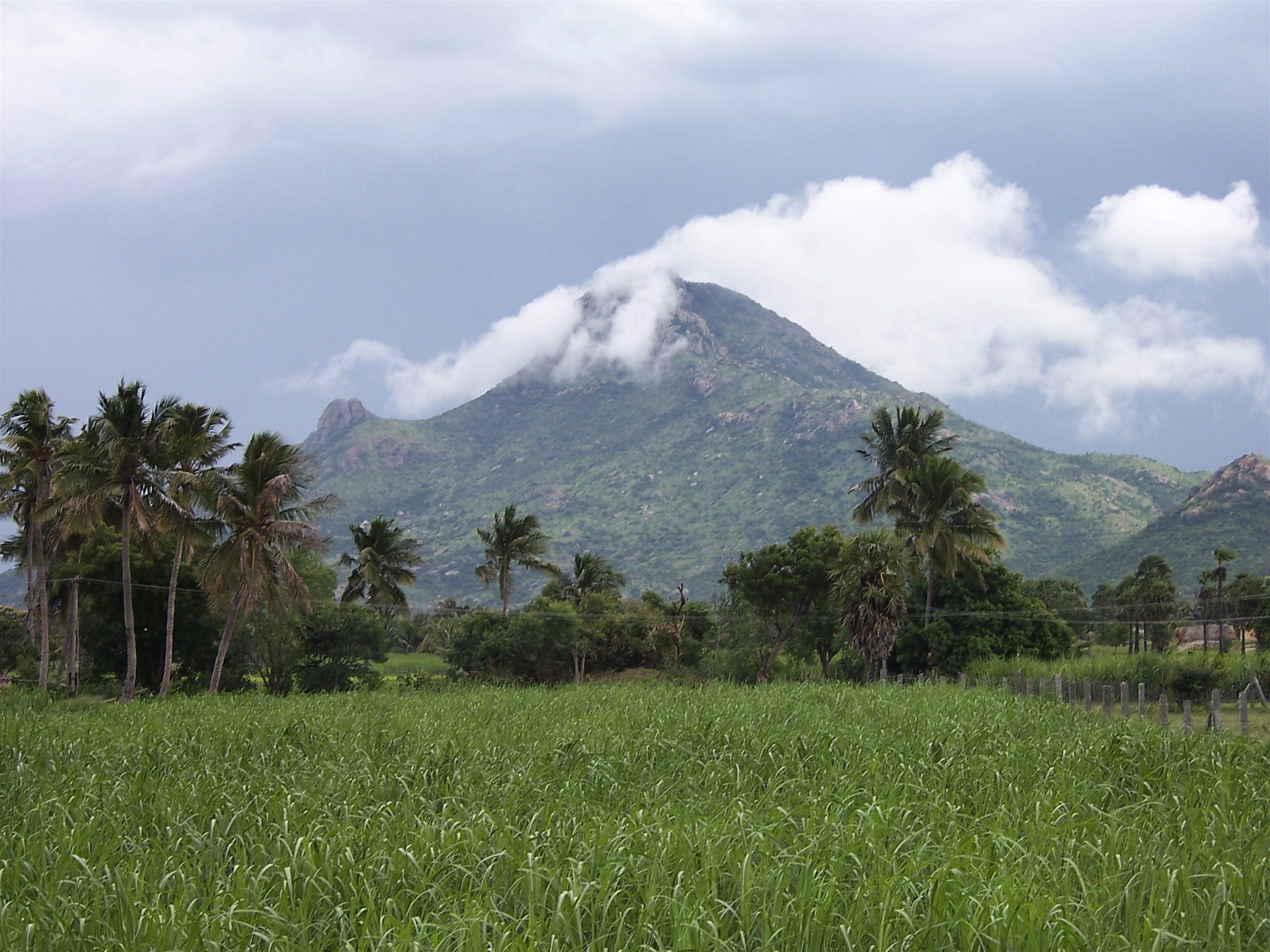
What remains when the mind goes quiet?
A short essay on the silence that was never absent — and how to meet it.
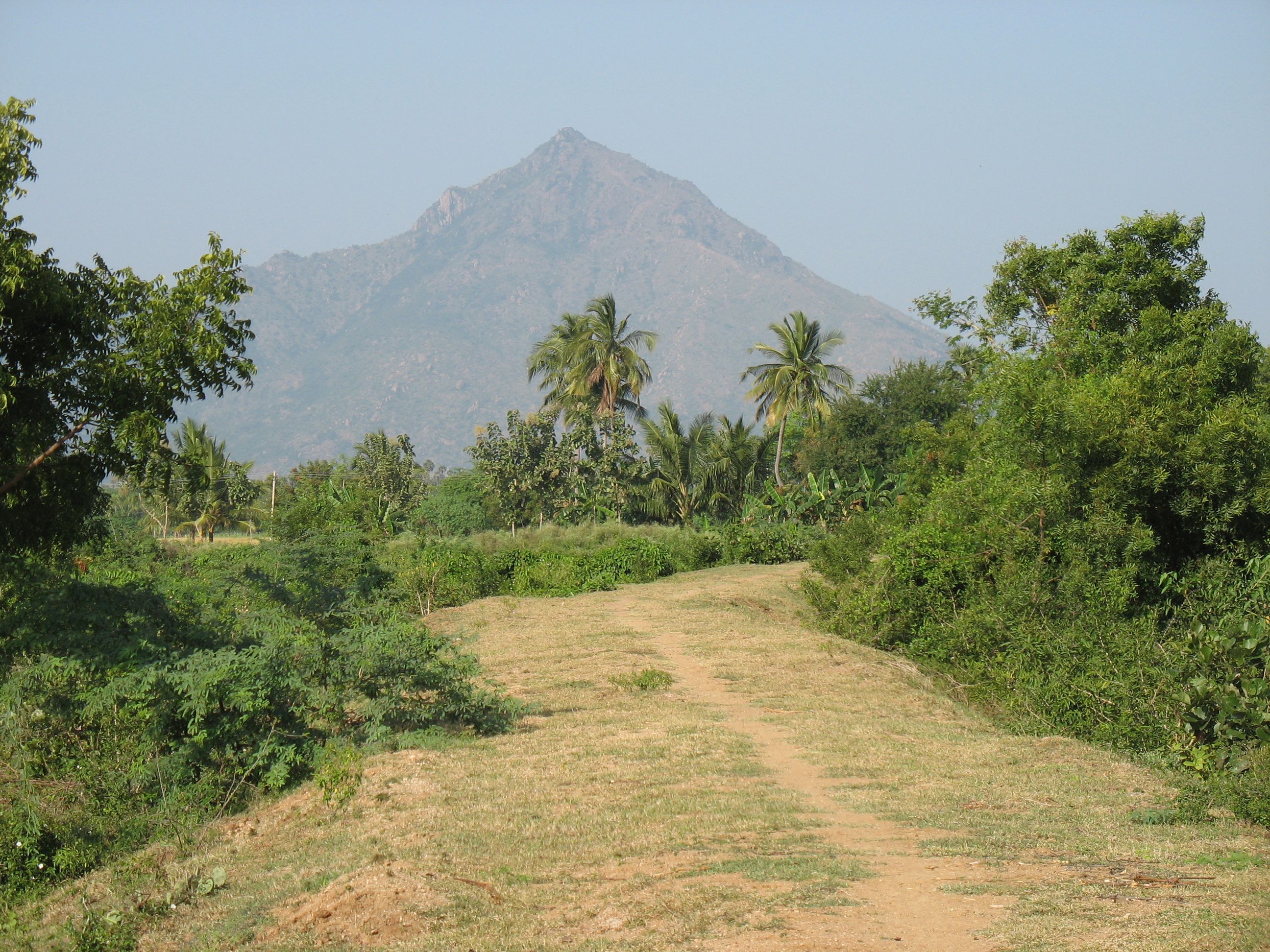
Turning the Light Inward: The Practice of 'Who Am I?'
Self-enquiry is not an intellectual exercise but a sustained, gentle attention to the sense of 'I' before thought claims it. Ramana Maharshi described it as the most direct path to recognising one's true nature. This article traces the practice from its first tentative steps to its natural deepening in silence.
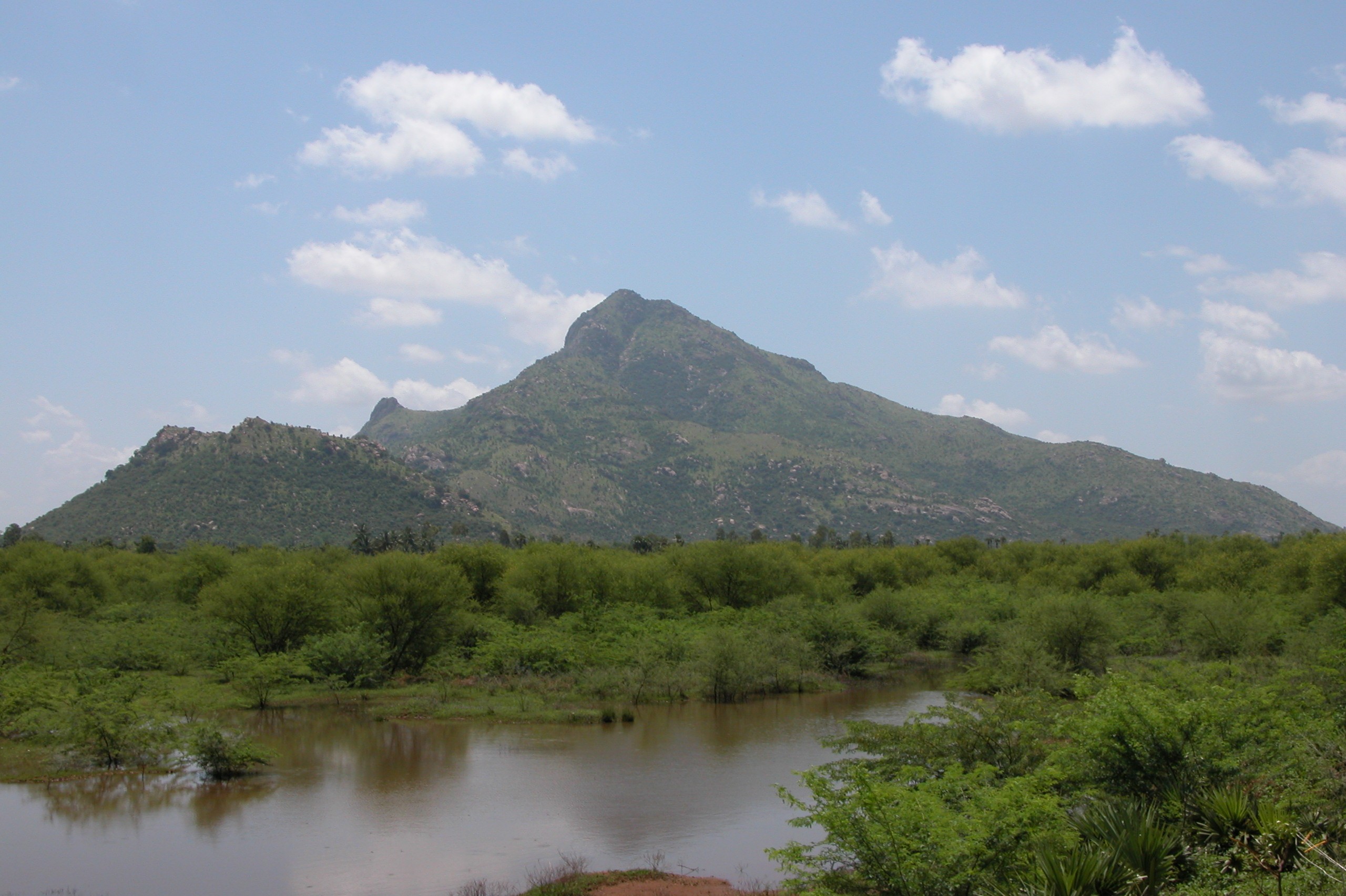
The Silence That Speaks: Resting in the Source of Awareness
Enquiry into the nature of the 'I' is not an intellectual exercise but a gentle, sustained turning of attention toward its own origin. As the Maharshi often pointed out, the mind that sincerely asks 'Who am I?' discovers that the question and the questioner dissolve together. What remains is not emptiness but the luminous stillness of pure Being.
Arunachala
Subscribe