Role of the Guru in Spiritual Practice
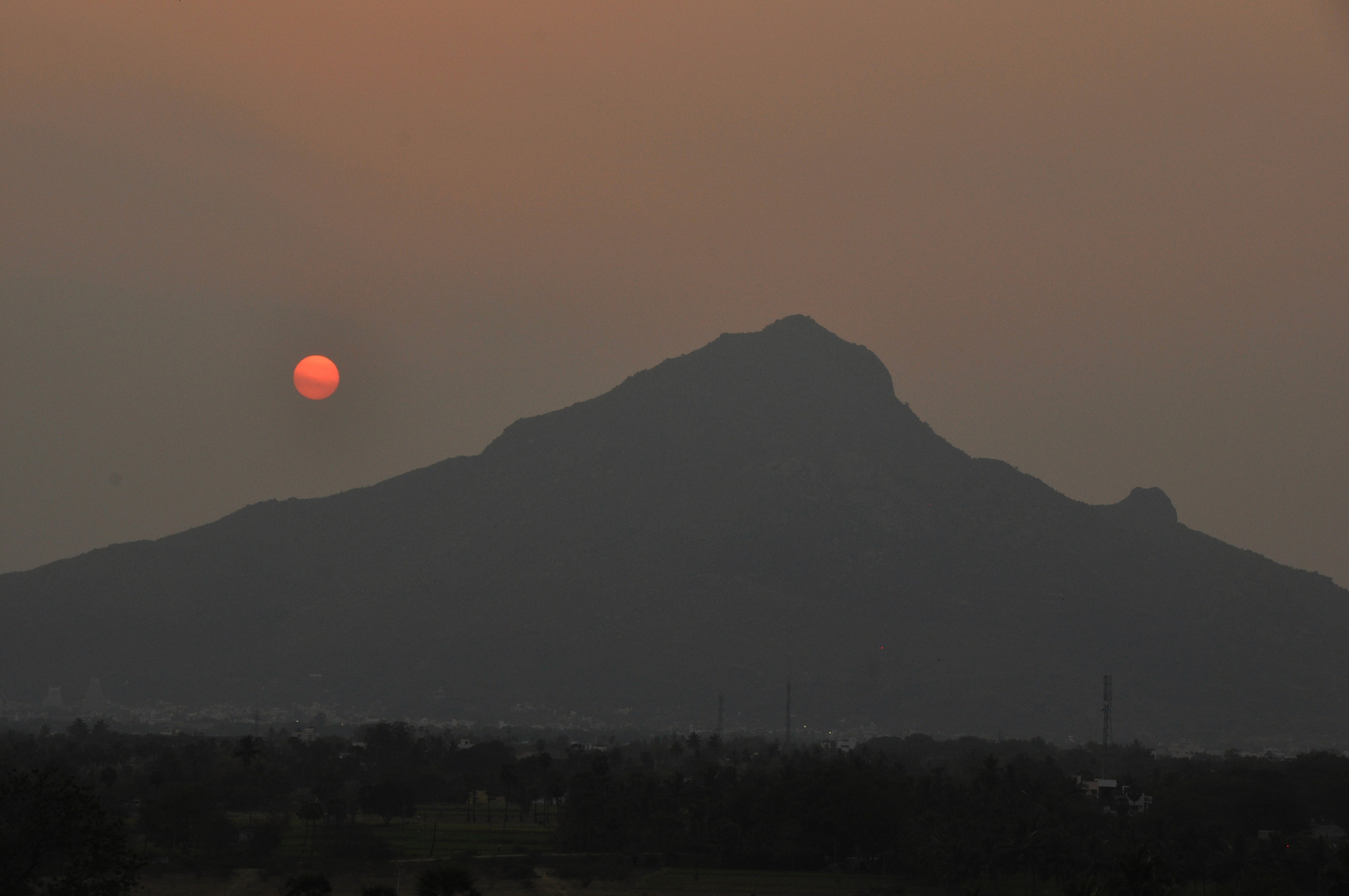
In the spiritual teachings of Sri Ramana Maharshi, Sri Nisargadatta Maharaj, and the Chidakasha Gita, the Guru plays a central and crucial role in guiding the seeker toward Self-realization. The Guru is not merely a teacher or a person of knowledge but an embodiment of the truth that the seeker is trying to realize. The Guru is considered to be the direct link to the divine and the Self, and their role is to guide the seeker in the most direct path toward awakening.
Role of Guru as described In the 40 Verses on Reality
The Guru is essential for guiding the seeker on the path of Self-inquiry. In verse 8, Ramana Maharshi emphasizes that any sincere worship eventually leads to Self-realization, and this includes the Guru’s guidance. The Guru’s presence provides the grace that helps the seeker move beyond the ego and toward the realization of the Self.
In verse 20, Ramana Maharshi states that to see the Self is to see God, indicating that the Guru is the direct embodiment of the Self. The Guru’s role is to reflect the Self to the seeker, which can be perceived as the highest form of devotion (Bhakti).
Role of Guru as described In Upadesa Undiyar
The Guru’s role is to point to the Self and to guide the seeker from ignorance to wisdom. In Upadesa Undiyar, Ramana teaches that the Guru’s guidance is essential for those who are not yet ready for direct Self-inquiry. The Guru leads them step by step from karma yoga (selfless action), bhakti (devotion), and raja yoga (mind control)to Self-inquiry—the final and most direct method of realizing the Self.
The Guru is also the true source of grace that helps the seeker overcome ego-based perceptions. Through the Guru’s teachings, the seeker can reach the realization that the Self and the Guru are not different.
Role of Guru as described by Nisargadatta Maharaj
Nisargadatta Maharaj emphasizes the Guru’s presence as a means to awaken the seeker. The Guru directs the seeker’s focus inward to uncover the Self. The Guru's role is to break the seeker’s attachments to the external world and point to the truth that the Self is beyond all forms and concepts.
In Nisargadatta Maharaj’s teachings, the Guru is seen as the embodiment of the teachings, and by being in the presence of the Guru, the seeker comes to understand that the Self is beyond ego and all identification with the body.
Who is a True Guru?
A true Guru is someone who:
Embodies the truth of the Self. The Guru does not merely teach concepts but reflects the truth through their being. The true Guru has realized the Self and operates from this realization, leading the disciple toward the same experience.
Transcends the ego: The true Guru has no sense of individuality. They are not bound by personal desires, pride, or self-interest. Their guidance is based purely on compassion, wisdom, and grace, meant to help the disciple realize their own true nature.
Is beyond duality: The true Guru recognizes that the Self is one with all beings and does not see the disciple as separate from themselves. In the words of Ramana Maharshi, the Guru is God incarnate, for the Guru and the disciple are ultimately one.
Directs the seeker to Self-inquiry: The true Guru encourages the seeker to turn inward, engaging in Self-inquiryas the most direct and effective means of realizing the true nature of the Self. As Nisargadatta Maharaj teaches, the Guru shows the way but does not impose it; they point out the truth and leave the seeker to find it for themselves.
The Relationship Between the Guru and the Self
The Guru and the Self are One: In both Ramana Maharshi's and Nisargadatta Maharaj’s teachings, the relationship between the Guru and the Self is understood as non-dual. The Guru represents the Self, and the realization of the Guru is the realization of the Self. The seeker ultimately recognizes that there is no difference between the Guru and the Self. This is made clear in 40 Verses on Reality, where it is stated that to see the Self is to see God, and in Upadesa Undiyar, where Ramana Maharshi says that the Guru is the embodiment of the Self.
The Guru as the Mirror of the Self: The Guru reflects the true nature of the seeker. In the presence of the Guru, the seeker begins to see that the Self is ever-present, that it is not external but lies within. As Nisargadatta Maharaj teaches, the Guru helps you realize that the Self has always been within you, and the role of the Guru is to direct attention inward, where the seeker can experience their own true nature.
The Guru's Grace: The Guru’s role is to bestow grace upon the seeker. In Upadesa Undiyar, Ramana Maharshi states that the Guru’s grace helps transcend the ego. The Guru's silent presence and direct teaching give the disciple the clarity to understand that the Self is the only reality, dissolving all ego-based illusions.
The Guru’s Function in the Path of Self-Inquiry: The Guru is the one who reminds the seeker of the importance of Self-inquiry, leading them from the grosser practices (like karma yoga, bhakti, and raja yoga) to the direct realization of the Self through Self-inquiry. The Guru is the one who illuminates the path, but ultimately, it is the seekers’ own realization of their true nature that leads to liberation.
Conclusion
In the teachings of Sri Ramana Maharshi, Sri Nisargadatta Maharaj, and the Chidakasha Gita, the Guru is not separate from the Self but an embodiment of the Self. The Guru is the catalyst for the seeker’s awakening, guiding them toward Self-realization by pointing directly to the truth. The true Guru’s role is to dispel ignorance and help the seeker transcend the ego through Self-inquiry, ultimately revealing that the Self and the Guru are one.
Share this story
More Stories

What remains when the mind goes quiet?
A short essay on the silence that was never absent — and how to meet it.

Turning the Light Inward: The Practice of 'Who Am I?'
Self-enquiry is not an intellectual exercise but a sustained, gentle attention to the sense of 'I' before thought claims it. Ramana Maharshi described it as the most direct path to recognising one's true nature. This article traces the practice from its first tentative steps to its natural deepening in silence.

The Silence That Speaks: Resting in the Source of Awareness
Enquiry into the nature of the 'I' is not an intellectual exercise but a gentle, sustained turning of attention toward its own origin. As the Maharshi often pointed out, the mind that sincerely asks 'Who am I?' discovers that the question and the questioner dissolve together. What remains is not emptiness but the luminous stillness of pure Being.
Arunachala
Subscribe