The Guru in the Ashtavakra Gita: The One Who Shatters the Dream
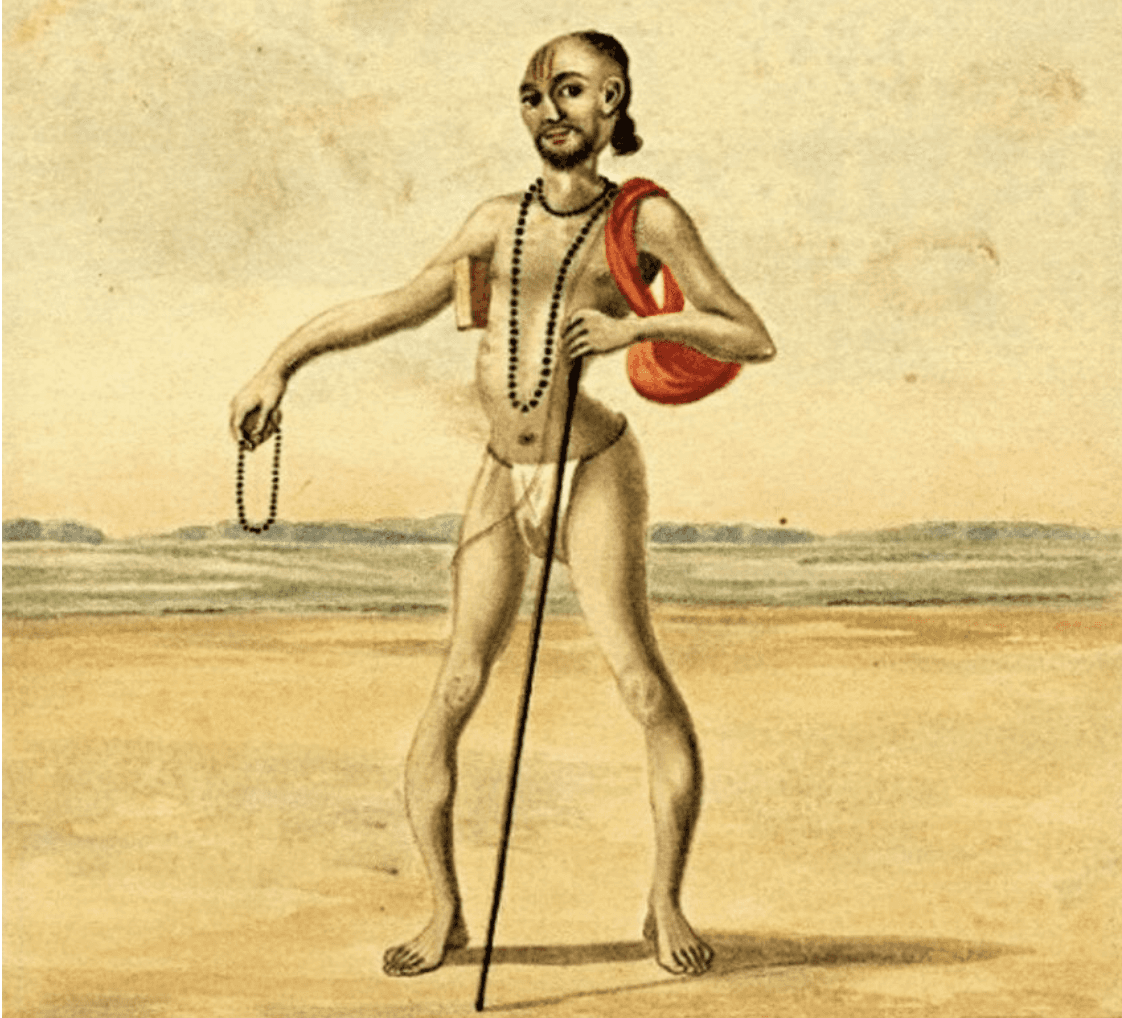
The Guru in the Ashtavakra Gita: The Paradox at the Heart of the Absolute
Introduction
The Ashtavakra Gita stands apart from virtually every other sacred text in the Vedantic canon. Where the Bhagavad Gita counsels action and devotion, where the Upanishads build elaborate metaphysical architectures, the Ashtavakra Gita wields language like a blade ; cutting through every concept, every identity, every cherished spiritual assumption the seeker holds dear. And nowhere is this radical precision more apparent than in its portrayal of the Guru. In this extraordinary text, the Guru is not a gentle guide who accompanies the student along a long path. The Guru is a sudden thunder-clap; the one who destroys the very idea that there is a path, a seeker, or a destination. Yet here lies the text's most profound and inescapable paradox: the very teaching that declares all seeking unnecessary arrives only through the most intimate and necessary of all human relationships ; the relationship between Guru and disciple.
The Dialogue as Living Transmission
The Ashtavakra Gita opens with King Janaka approaching the sage Ashtavakra with what appears to be a conventional spiritual inquiry: "How is knowledge to be acquired? How is liberation to be attained? And how is renunciation to be achieved?" It is the kind of question a sincere but still-bound seeker asks, embedded in the assumption that liberation is something yet to be obtained through effort over time.
Ashtavakra's response is electrifying in its immediacy. He does not prescribe a sadhana. He does not recommend meditation, ritual, or even scriptural study. He points directly and without preamble to what Janaka already is: know yourself as the witness, as pure consciousness. Within just a few verses, Janaka declares that he has understood. Liberation is announced, not in stages, but in a moment of recognition.
This opening frames the entire text's understanding of the Guru. The true Guru does not take the disciple on a journey. The Guru gives the disciple the recognition that no journey was ever needed. But pause here and feel the full weight of what the text is doing ; it takes a journey, the journey of this very dialogue across eighteen chapters, to transmit the recognition that no journey is needed. The paradox is structural. It is woven into the text's very bones.
The Paradox the Text Cannot Escape
This is the central and most honest observation one must make about the Ashtavakra Gita: it is a fundamentally paradoxical scripture. Its absolute teaching is that you are already the Self, that liberation is not achieved but recognised, that there is no seeker and nothing to seek . However this teaching can only be delivered within the framework of duality. There must be a Guru. There must be a disciple. There must be a specific and extraordinarily qualified Guru like Ashtavakra, and an extraordinarily prepared disciple like Janaka, for the teaching to land with the force it does.
But what made Janaka so prepared? This is precisely where the role of accumulated karma ; and its systematic purification reveals itself as the invisible foundation of the entire encounter. Janaka did not arrive before Ashtavakra as an ordinary man. He arrived as a being whose karmic field had been refined across lifetimes of dharmic action, selfless rulership, and sincere spiritual inquiry. The accumulated weight of sanchita karma which is the vast storehouse of impressions laid down across countless births had, in Janaka's case, been progressively burned through the disciplines of karma yoga, the selfless discharge of royal duty without ego-clinging to results. His mind had been further purified through the sustained inward attention of raja yoga which is the stilling of the vrittis, the quieting of the relentless modifications of the mental field , until the antahkarana, the inner instrument of cognition, had become sufficiently transparent to receive a transmission of this magnitude.
The classical Vedantic tradition is unambiguous on this point: the radical non-dual teaching of the order of the Ashtavakra Gita is not for every seeker. The Mundaka Upanishad declares that the knowledge of Brahman must be sought from a Guru by one who has taken up samit; the sacred fuel; meaning one who has already undergone the preparatory fires of spiritual discipline. Without this preparation, the words of the Ashtavakra Gita remain merely beautiful philosophy, intellectually stimulating but karmically inert. They cannot penetrate. The mirror of the Guru's transmission can only reflect in a mind whose surface has been polished by sadhana. A mind still clouded by the thick vasanas of accumulated, unpurified karma ; desire, aversion, pride, fear, the residues of undigested experience across lives will hear Ashtavakra and produce only concepts. It will not produce liberation.
This is why the great traditions have never presented jnana as a shortcut available to all. Tantra, often misunderstood, served precisely this function in the esoteric schools by employing the energies of the body, breath, and desire itself as fuel for burning through the densest layers of karmic residue, so that even those with heavily tamasic constitutions could be alchemically prepared for the final recognition. Bhakti yoga liquefies the ego's hard crust through devotion, making the heart porous to grace. Karma yoga, as the Bhagavad Gita meticulously establishes, burns the agami and kriyamana karma of present action by dissolving the doership that would otherwise cause new karmic seeds to be planted. Raja yoga, through pranayama, pratyahara, dharana, and dhyana, systematically dismantles the samskara-driven momentum of the mind. All of these paths, apparently contradictory to the Ashtavakra Gita's radical non-methodology, are in fact its necessary preconditions operating at the relative level.
Strip away either figure , the Guru or the prepared disciple and the teaching collapses. If Ashtavakra were merely learned rather than liberated, his words would be philosophy rather than transmission. If Janaka were merely curious rather than ripe and if his karmic field had not been refined through lifetimes of discipline into the extraordinary receptivity he carried into that hall , the words would echo in an empty vessel. The Ashtavakra Gita is not a text that can be read in isolation and produce awakening in just any reader. It requires, in the relative domain, the full scaffolding it claims is ultimately unnecessary. And the most fundamental layer of that scaffolding is the arduous, patient, often unglamorous work of karmic purification and the long preparation that makes the instantaneous possible.
This is not a flaw in the text. It is the text's deepest teaching, hiding in plain sight. The absolute truth can only be communicated through relative means. The finger pointing at the moon is not the moon but without the finger, most of us would never look up. And before one is ready to see where the finger points, one must first spend ,perhaps many lifetimes , learning to be still enough, clear enough, and emptied enough of karmic noise to follow the direction of that pointing all the way to its end.
The Guru Who Refuses to Flatter
One of the most striking aspects of Ashtavakra's Guruhood is his complete refusal to validate the seeker's self-image. At the outset, he famously laughs at Janaka, not with cruelty, but with the joyful astonishment of one who sees through the entire drama of spiritual seeking. He tells Janaka that he is surrounded by "learned fools" , those who speak of Brahman, perform austerities, and accumulate knowledge, but who have not understood the simple, immediate truth of their own nature.
This refusal to flatter is the Guru's first and greatest gift in the Ashtavakra Gita's framework. Most teachers console the student: "You are making progress. You are advancing on the path." Ashtavakra does the opposite. He refuses to confirm that there is a path, or that the student is a student, or that the teacher has anything to teach. A Guru who flatters you into feeling spiritually advanced is, from Ashtavakra's perspective, no Guru at all. The true Guru is the one whose words leave you no place to stand.
But notice once more the paradox embedded here. Ashtavakra refuses to confirm the Guru-disciple relationship at the level of ultimate truth and yet it is precisely his authority as Guru, his unimpeachable standing as a liberated sage, that gives his refusal its force. If a stranger on the street told Janaka there is no path and no seeker, Janaka would dismiss him. It is because Ashtavakra is the Guru , recognisably, unmistakably, that his dismantling of the Guru-disciple framework carries transformative power. He must occupy the throne of Guruhood in order to convincingly vacate it.
Grace and the Collapse of Effort
The Ashtavakra Gita makes a powerful implicit statement about the grace that flows through the Guru. When Ashtavakra speaks, Janaka does not attain liberation through years of application. Something in the quality of the Guru's pointing carries a force that goes beyond mere instruction. This is the ancient Vedantic understanding of shaktipata , the transmission of recognition, though the Ashtavakra Gita never uses such ceremonial language.
The text suggests that the Guru's essential function is not informational but transformational. Ashtavakra is not giving Janaka new data about Brahman. What Ashtavakra transmits is a direct confrontation with the living truth and a recognition that bypasses the conceptual mind entirely. And here again, the paradox deepens: this transmission of the truth that transcends all relationship requires the most intimate possible relationship to occur. Grace, in the Ashtavakra Gita, flows through the form of the Guru even as it dissolves all forms.
No Guru Needed - And Yet the Guru Is Everything
The Ashtavakra Gita simultaneously validates and dissolves the need for an external Guru. It is one of the most thoroughgoing non-dual texts in existence, insisting that the Self which is pure, luminous, actionless and already free , is what you fundamentally are. From that absolute perspective, there is no Guru and no disciple, because there is no second thing. There is only the one Self appearing in the forms of teacher and taught.
And yet the very text exists as a Guru-shishya dialogue. The very fact that Janaka needed Ashtavakra , that a king of extraordinary spiritual preparation, surrounded by the wisest scholars of his kingdom, required the pointing of this one crooked sage to recognise what was already the case testifies to the irreplaceable necessity of the outer Guru as long as the dream of individuality persists. The Ashtavakra Gita thus holds both truths simultaneously and without apology: in the Absolute, no Guru is needed; in the relative, the Guru is not merely helpful but absolutely indispensable as the sole catalyst of recognition.
This is not a contradiction the text tries to resolve. It leaves the paradox standing, naked and alive, because the paradox itself is the teaching. Reality is non-dual and yet we find ourselves in a world of apparent duality. Liberation is already the case and yet it must apparently be recognised. The Guru is ultimately unnecessary and yet, for almost every being living within the dream, the Guru is the only door.
The Guru as Mirror of the Self
Ultimately, the Ashtavakra Gita presents the Guru not as a special being who possesses something the disciple lacks, but as a mirror that reflects the disciple's own true face. Ashtavakra's teaching works not because he is giving Janaka something external, but because in his presence and through his words, Janaka is able to see himself without the distortion of ignorance. The Guru, in this text, is the one whose abidance in the Self is so complete that merely being in contact with that clarity is enough to trigger recognition in the prepared disciple. The Guru is, in the deepest sense, the Self recognising itself through the apparent veil of the Guru-disciple relationship.
Conclusion
The Ashtavakra Gita's vision of the Guru is arguably the most uncompromising and the most paradoxical in all of Vedantic literature. It declares that the Guru is ultimately unnecessary while demonstrating, through its very existence as a dialogue, that the Guru is utterly necessary. It shows us liberation happening in an instant while taking eighteen chapters to do so. It uses the full architecture of the relative ; a specific sage, a specific king, a specific encounter in a specific moment to transmit a truth that belongs to no moment and no relationship. And beneath all of this, quietly sustaining the entire possibility of the encounter, lies the invisible labour of karmic purification and the lifetimes of yoga, discipline, surrender, and burning , without which no amount of brilliant pointing by even the greatest Guru could ever ignite recognition in the waiting heart of the disciple.
This paradox is not the text's weakness. It is its most radical honesty. The Ashtavakra Gita does not pretend that the absolute truth can be received without a relative vehicle. It simply insists that once the truth is seen, the vehicle dissolves very much like a raft left behind once the far shore is reached. Ashtavakra gives Janaka no ladder to climb; only the recognition that he was never on the ground. But it takes Ashtavakra, and only Ashtavakra, and the full sacred weight of the Guru-disciple relationship, built upon the bedrock of a disciple purified by the fires of accumulated practice, to deliver that recognition. The text that destroys the need for a Guru, and the need for any path, could not exist without both.
Share this story
More Stories
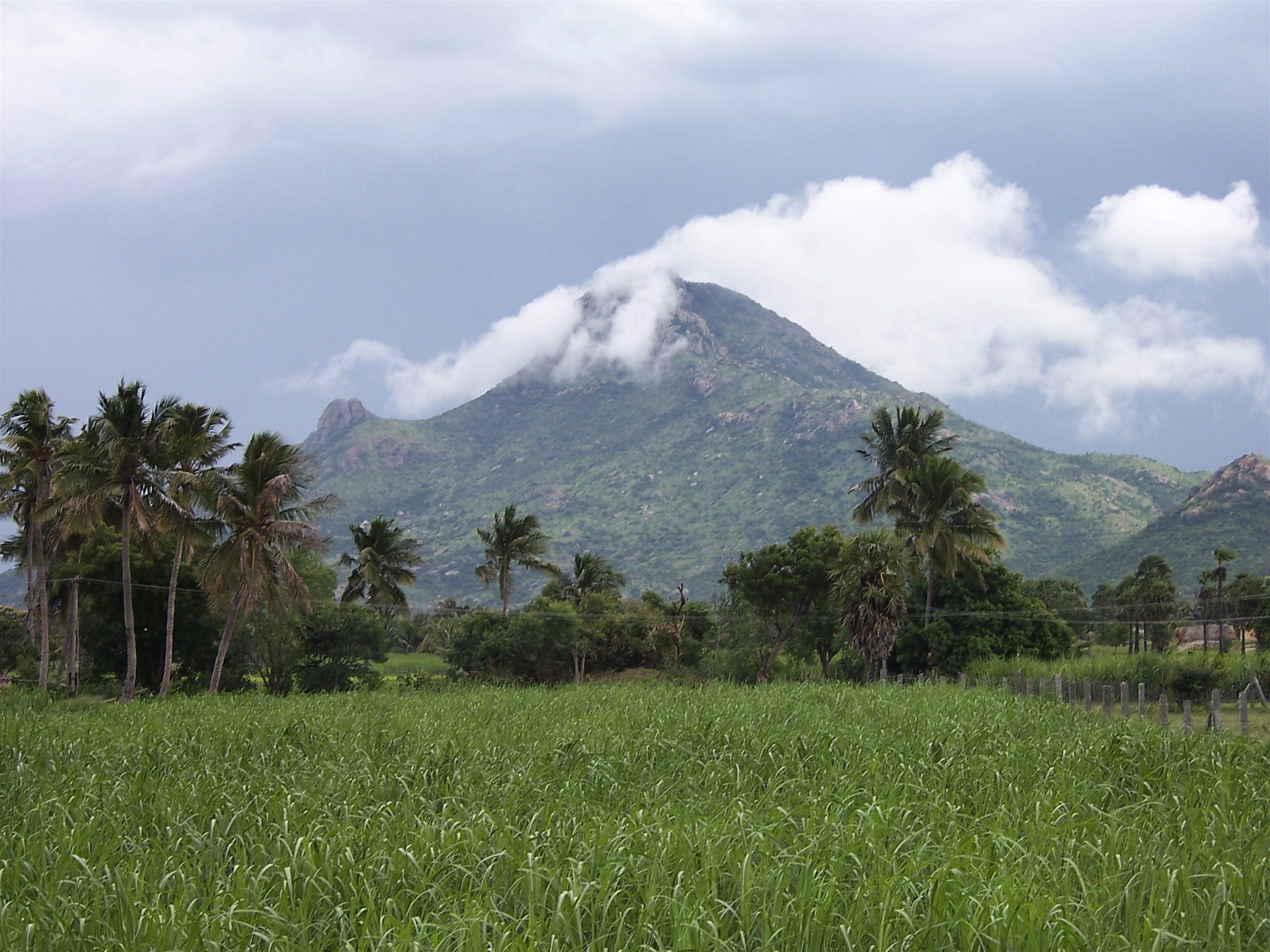
What remains when the mind goes quiet?
A short essay on the silence that was never absent — and how to meet it.
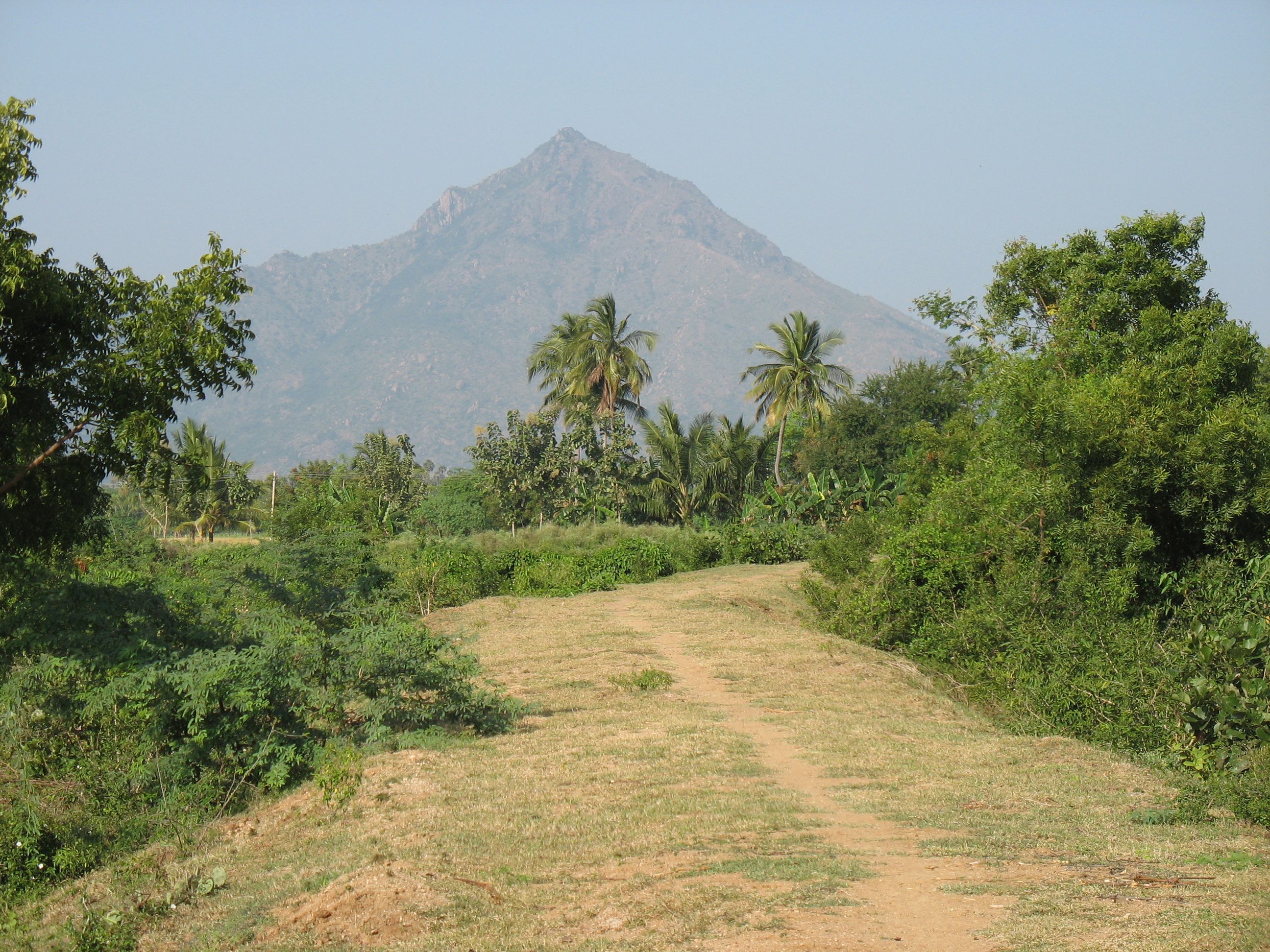
Turning the Light Inward: The Practice of 'Who Am I?'
Self-enquiry is not an intellectual exercise but a sustained, gentle attention to the sense of 'I' before thought claims it. Ramana Maharshi described it as the most direct path to recognising one's true nature. This article traces the practice from its first tentative steps to its natural deepening in silence.
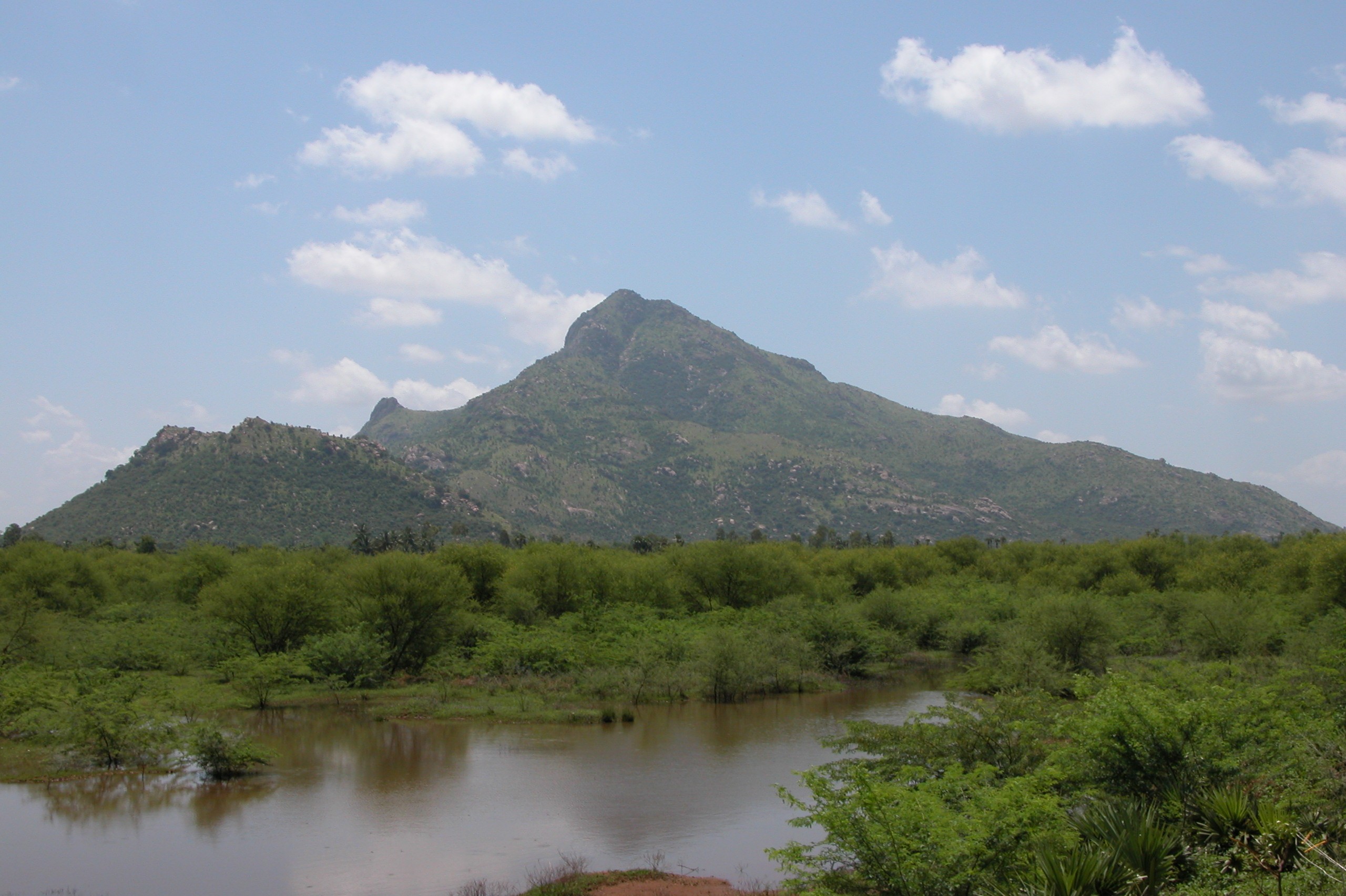
The Silence That Speaks: Resting in the Source of Awareness
Enquiry into the nature of the 'I' is not an intellectual exercise but a gentle, sustained turning of attention toward its own origin. As the Maharshi often pointed out, the mind that sincerely asks 'Who am I?' discovers that the question and the questioner dissolve together. What remains is not emptiness but the luminous stillness of pure Being.
Arunachala
Subscribe