The Mountain That Teaches by Its Presence
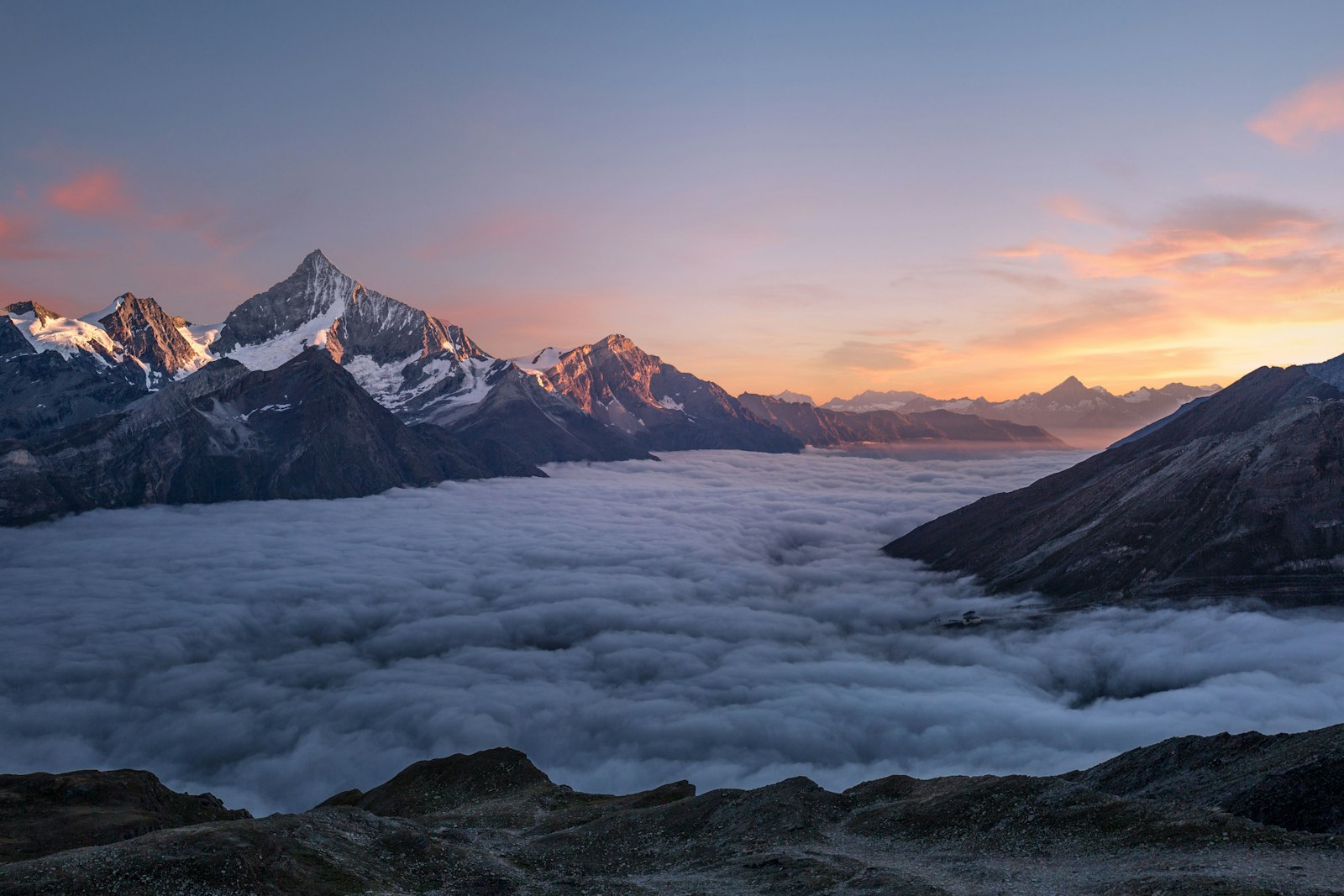
Ramana Maharshi taught that the Self is not something to be attained but recognised — it is the ever-present witness behind every thought. The mind, when turned inward through sincere enquiry, naturally subsides into its source. That source is silence, and silence is the Self.
— Talks with Sri Ramana Maharshi, §197
“Your own Self-Realization is the greatest service you can render the world.” — Sri Ramana Maharshi
— Bhagavan Sri Ramana Maharshi
A Simple Evening Practice of Self-Enquiry
Sit comfortably with the spine at ease and close your eyes, allowing the breath to settle without control.
Bring attention inward and gently ask: ‘To whom do these thoughts arise?’ — not as a verbal exercise but as a sincere turning of attention toward its own source.
When attention is drawn back by thoughts, return quietly to the question — not with effort but with patient interest in what is aware.
Rest in whatever stillness or silence is present, however brief, and close with a moment of gratitude for the practice.
Sacred Journey to the Heart of Arunachala
Arunachala in Tiruvannamalai is revered not merely as a physical hill but as a manifestation of Shiva in the form of fire — the light of pure consciousness made visible. Ramana Maharshi affirmed that Arunachala is the spiritual heart of the world, drawing sincere seekers inward toward the Self.
Girivalam — the circumambulation of Arunachala — covers approximately 14 kilometres around the hill’s sacred base. It is traditionally walked barefoot, in silence or with gentle japa, ideally on full-moon nights or any morning when the heart feels drawn.
On the Path: Seshadri Swamigal
Seshadri Swamigal was a revered sage of Tiruvannamalai who lived and wandered near Arunachala in the late nineteenth and early twentieth centuries, and was held in deep regard by Ramana Maharshi himself. His teaching was one of compassionate silence and unconditional presence — he demonstrated that abidance in the Self needs no formal discourse.
Pilgrimage Corner: Arriving in Tiruvannamalai
When visiting Tiruvannamalai, allow time simply to sit in the hall of Sri Ramanasramam before engaging in any activity — the atmosphere itself is a teaching. Travelling at your own pace, without a rigid itinerary, often allows the deeper purpose of pilgrimage to reveal itself naturally.
May the grace of Arunachala meet you in stillness, wherever you are. When you are ready to explore further, the teachings await you at their own quiet depth.
Share this story
More Stories
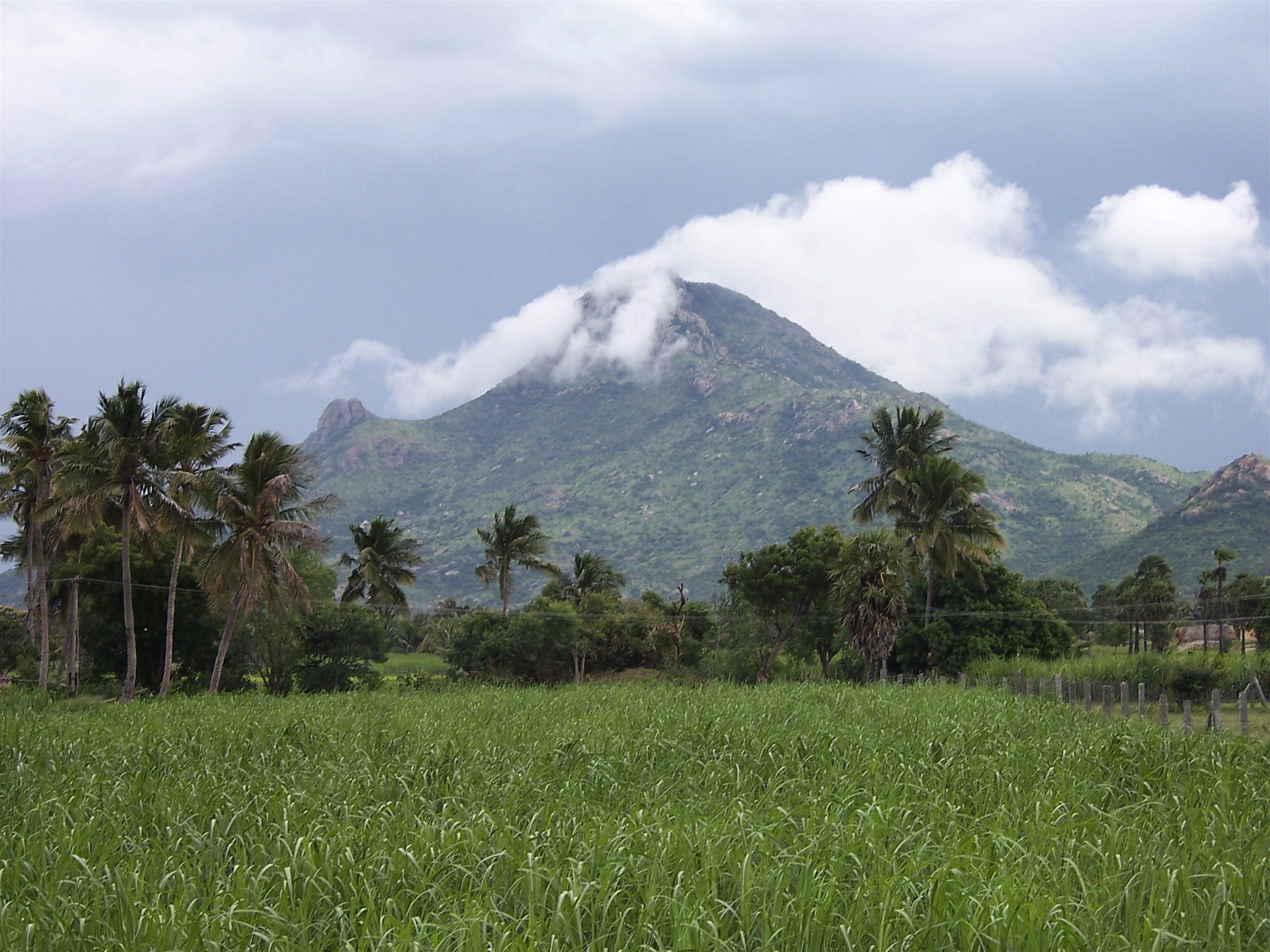
What remains when the mind goes quiet?
A short essay on the silence that was never absent — and how to meet it.
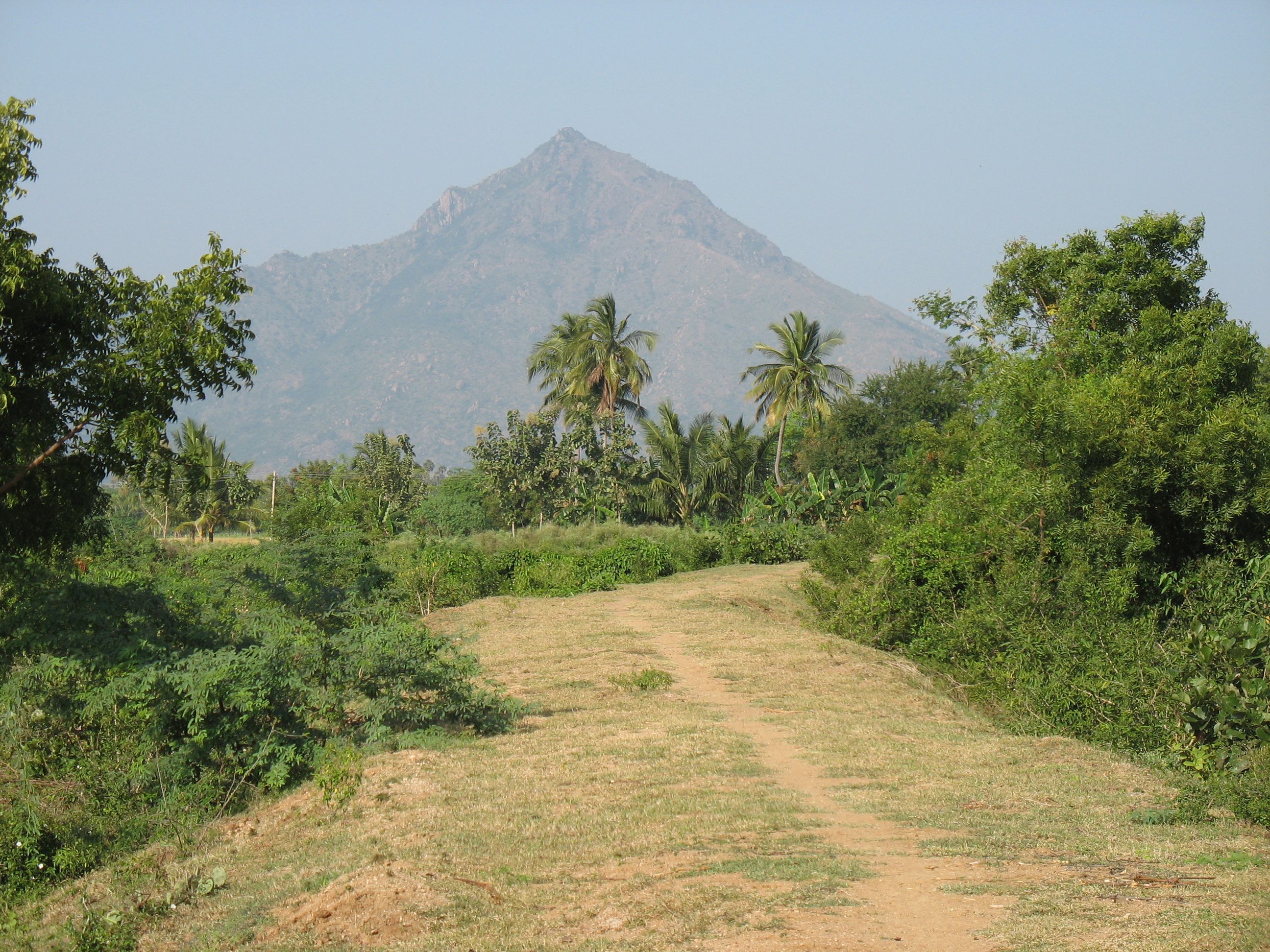
Turning the Light Inward: The Practice of 'Who Am I?'
Self-enquiry is not an intellectual exercise but a sustained, gentle attention to the sense of 'I' before thought claims it. Ramana Maharshi described it as the most direct path to recognising one's true nature. This article traces the practice from its first tentative steps to its natural deepening in silence.
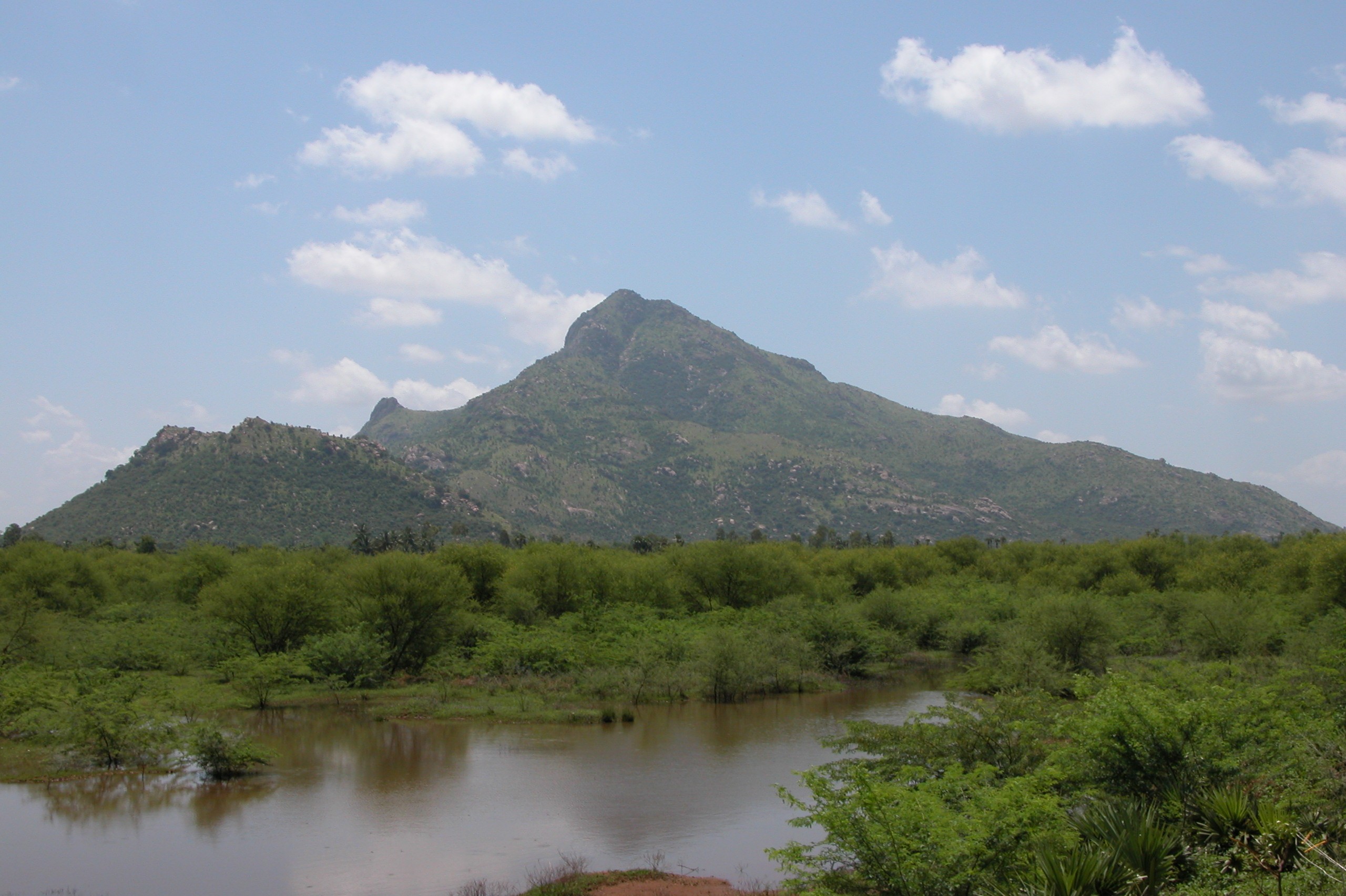
The Silence That Speaks: Resting in the Source of Awareness
Enquiry into the nature of the 'I' is not an intellectual exercise but a gentle, sustained turning of attention toward its own origin. As the Maharshi often pointed out, the mind that sincerely asks 'Who am I?' discovers that the question and the questioner dissolve together. What remains is not emptiness but the luminous stillness of pure Being.
Arunachala
Subscribe