The Mountain That Teaches Without Words
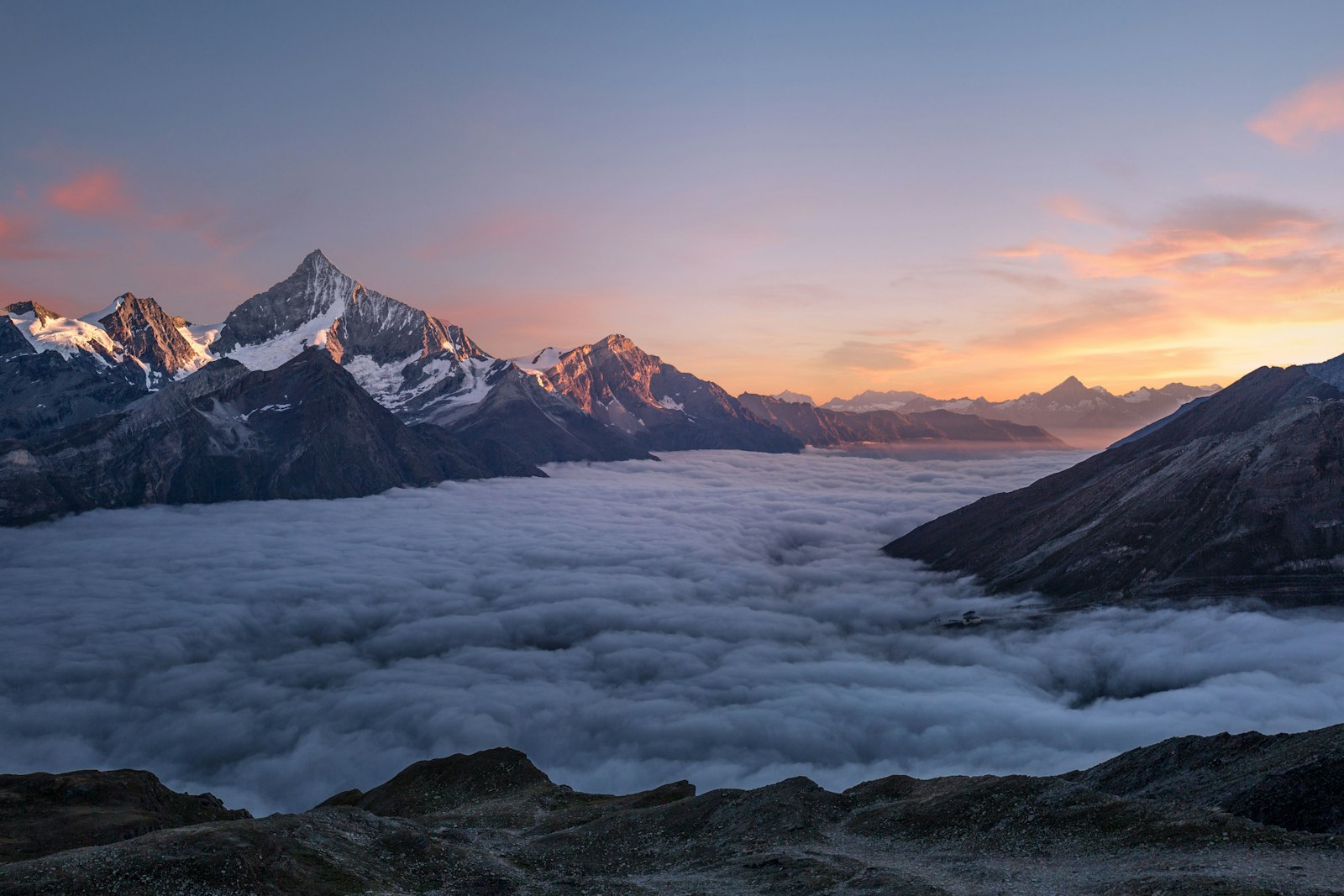
Ramana Maharshi taught that the Self is not something to be attained but recognised — it is the ever-present witness beneath all thought and movement. The mind’s restlessness is itself the only veil. When enquiry turns inward and the question ‘Who am I?’ is held sincerely, the veil thins on its own.
— Talks with Sri Ramana Maharshi, §197
“The Self is always realised. It is not something to be reached. It is always there.” — Sri Ramana Maharshi
— Bhagavan Sri Ramana Maharshi
A Simple Evening Practice of Self-Enquiry
Sit in a comfortable, upright position and allow the breath to settle naturally for two or three minutes.
Gently place the question ‘Who is aware of this moment?’ — not as a riddle to solve but as a direction to look.
When thoughts arise, notice the one who notices them; return attention lightly to that awareness itself.
Rest there for ten to twenty minutes, at your own pace, without forcing stillness or judging what arises.
Arunachala: The Hill of Fire and Grace
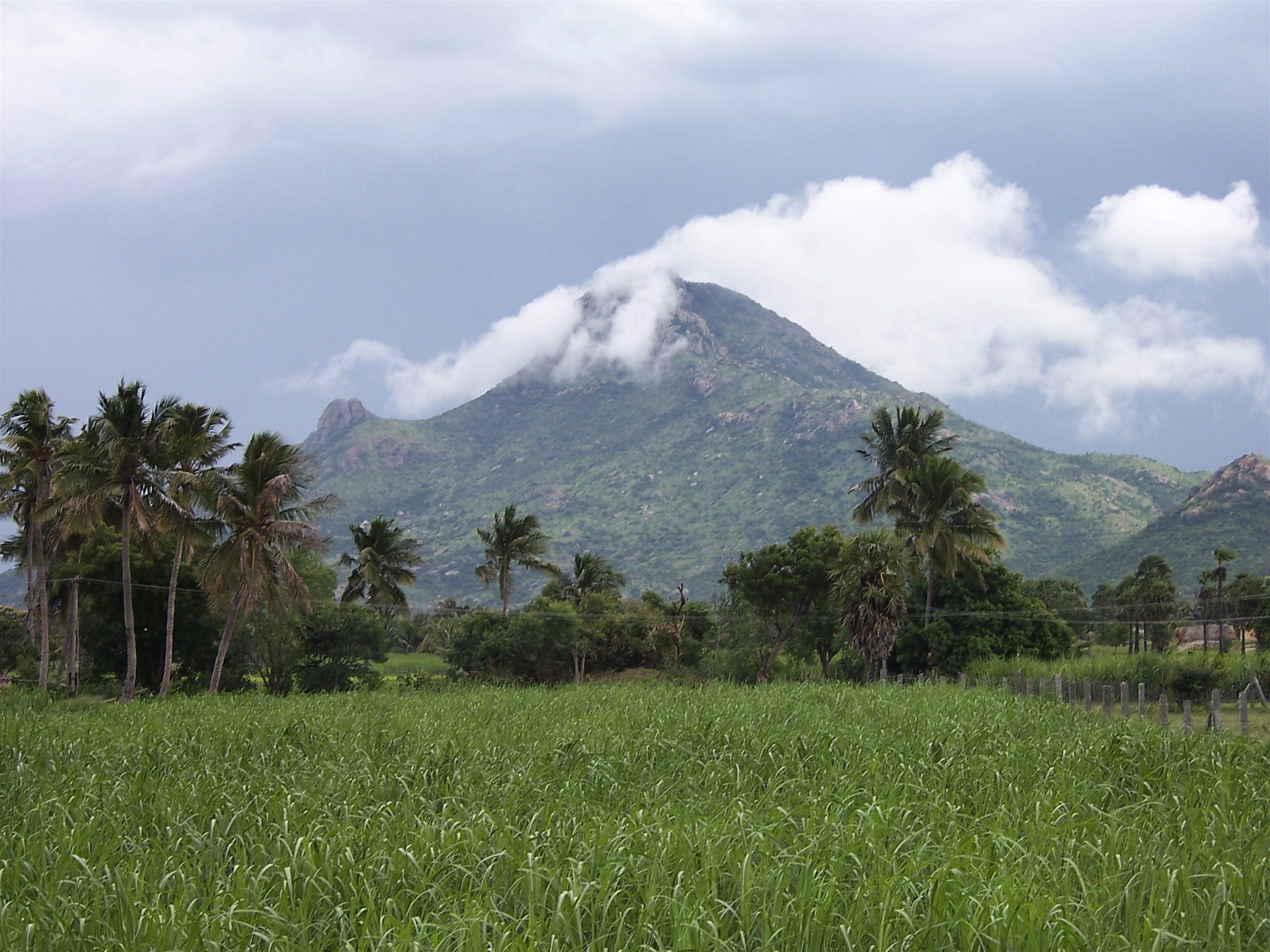
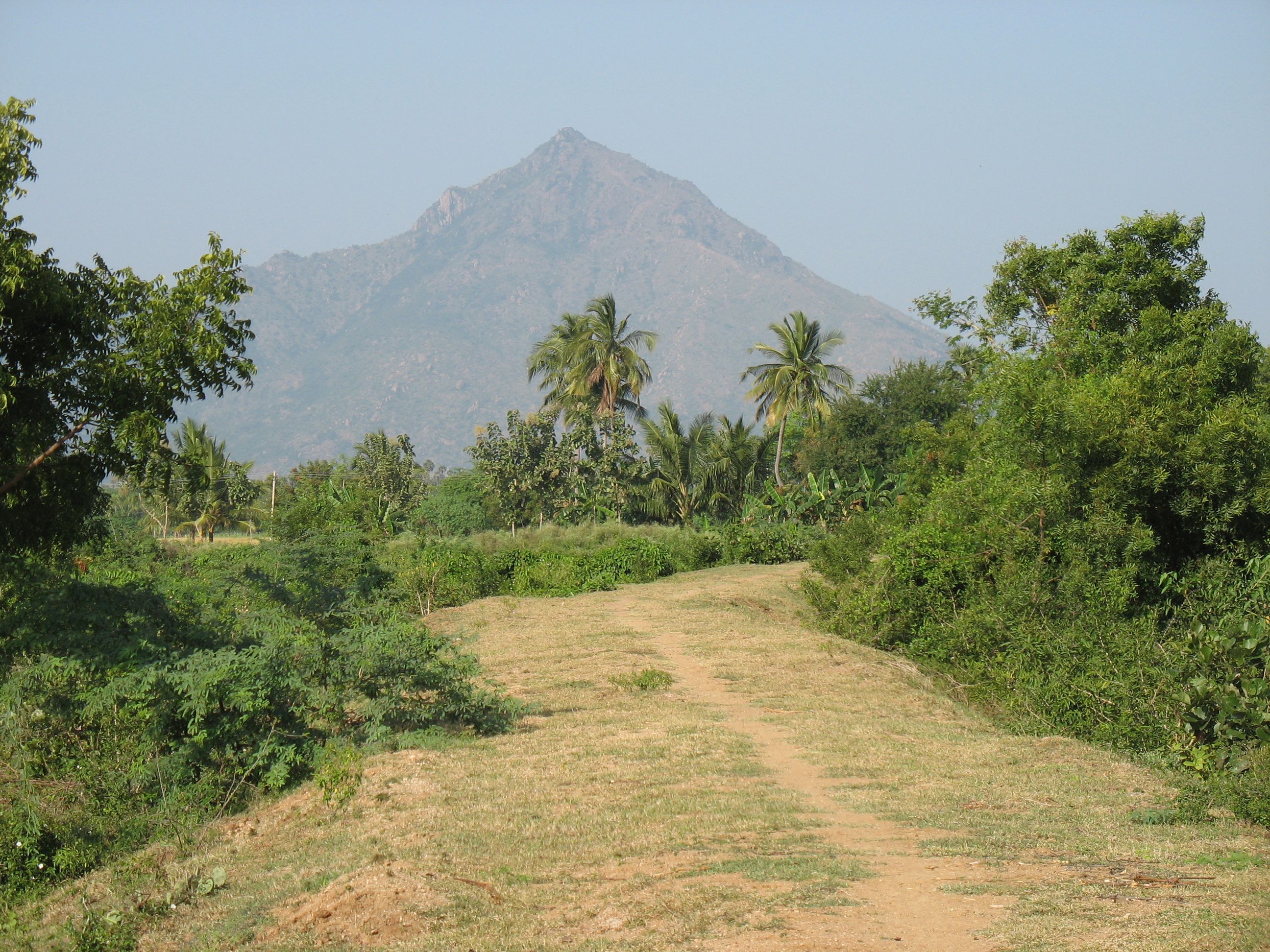
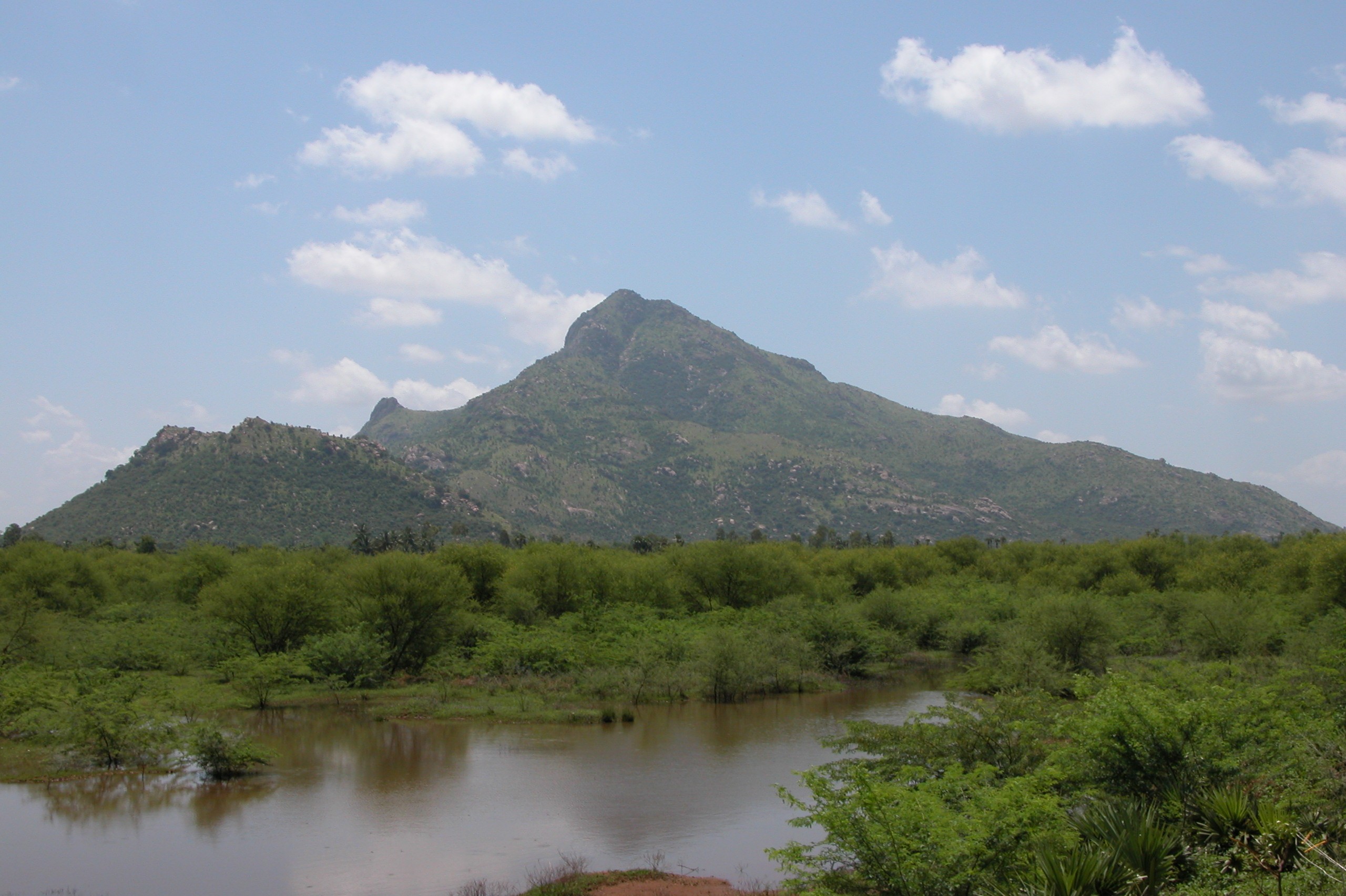
Arunachala is revered not merely as a sacred hill in Tamil Nadu but as Shiva in the form of a column of light — the jyoti-linga whose presence is said to still the seeking mind without effort. Ramana Maharshi regarded the mountain as his own guru, the silent teacher whose grace drew him and never released him.
Girivalam — the circumambulation of Arunachala along its 14-kilometre path — is traditionally observed on full-moon days. Pilgrims walk barefoot, inwardly, allowing the mountain’s presence to work as the outer steps mirror an inner turning toward the Self.
On the Path: Muruganar
Muruganar was a Tamil poet-devotee who surrendered entirely to Sri Ramana and spent decades in his presence at Ramanasramam. His verses in Guru Vachaka Kovai preserve some of Ramana’s most precise oral teachings on the nature of the Self and the path of surrender.
Preparing for Tiruvannamalai
Those drawn to visit Tiruvannamalai may find it helpful to arrive with no agenda beyond openness — the town and the mountain tend to arrange their own teaching. Ramanasramam welcomes sincere visitors; the ashram library and the Maharshi’s samadhi hall offer quiet spaces for sitting that many find naturally conducive to inner settling.
May the silence that surrounds Arunachala find you wherever you are, and may each question you carry gently dissolve in the light of your own awareness. We are glad you are here.
Share this story
More Stories
What remains when the mind goes quiet?
A short essay on the silence that was never absent — and how to meet it.
Turning the Light Inward: The Practice of 'Who Am I?'
Self-enquiry is not an intellectual exercise but a sustained, gentle attention to the sense of 'I' before thought claims it. Ramana Maharshi described it as the most direct path to recognising one's true nature. This article traces the practice from its first tentative steps to its natural deepening in silence.
The Silence That Speaks: Resting in the Source of Awareness
Enquiry into the nature of the 'I' is not an intellectual exercise but a gentle, sustained turning of attention toward its own origin. As the Maharshi often pointed out, the mind that sincerely asks 'Who am I?' discovers that the question and the questioner dissolve together. What remains is not emptiness but the luminous stillness of pure Being.
Arunachala
Subscribe