The Seeker Who Was Never Lost
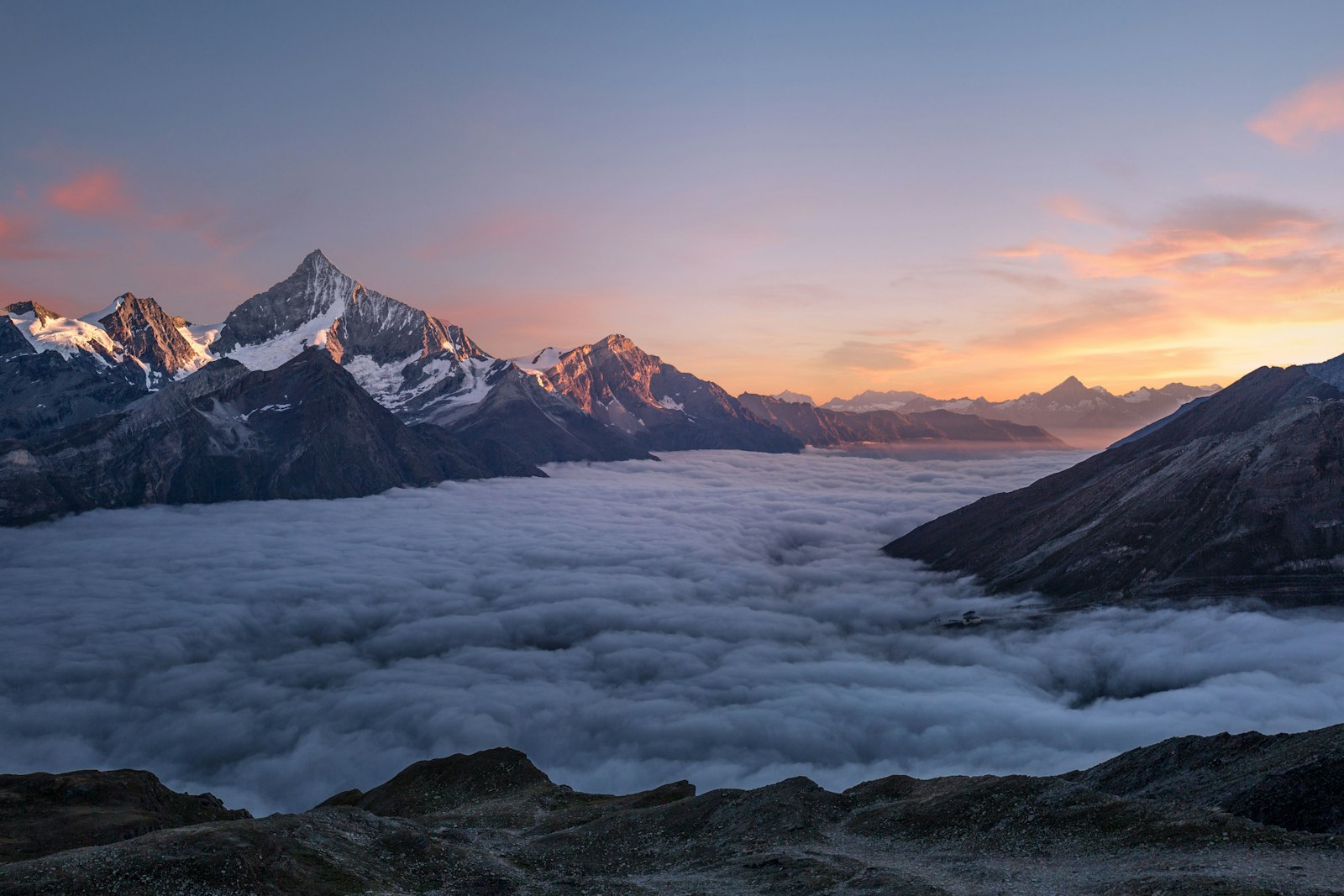
The Self is not something to be attained; it is that which already is. Every effort to reach it moves in the wrong direction, for the seeker and the sought are one. What is required is not achievement but recognition — a turning of attention toward the source from which all attention arises.
— Talks with Sri Ramana Maharshi, §146
The Self is always realized. All that is necessary is to cease regarding as real the ‘I’ with limitations.
— Bhagavan Sri Ramana Maharshi
Resting in the Source — A Simple Evening Practice
Seat yourself comfortably and allow the breath to settle without control — simply observe it arriving and departing.
Ask inwardly, ‘To whom do these thoughts appear?’ and rest attention at the place where the sense of ‘I’ feels most immediate.
When the mind wanders, do not struggle — gently return the question, without judgment, at your own pace.
Close by sitting in open silence for a few minutes, making no effort to achieve any state, simply remaining as you are.
The Hill That Is Silence
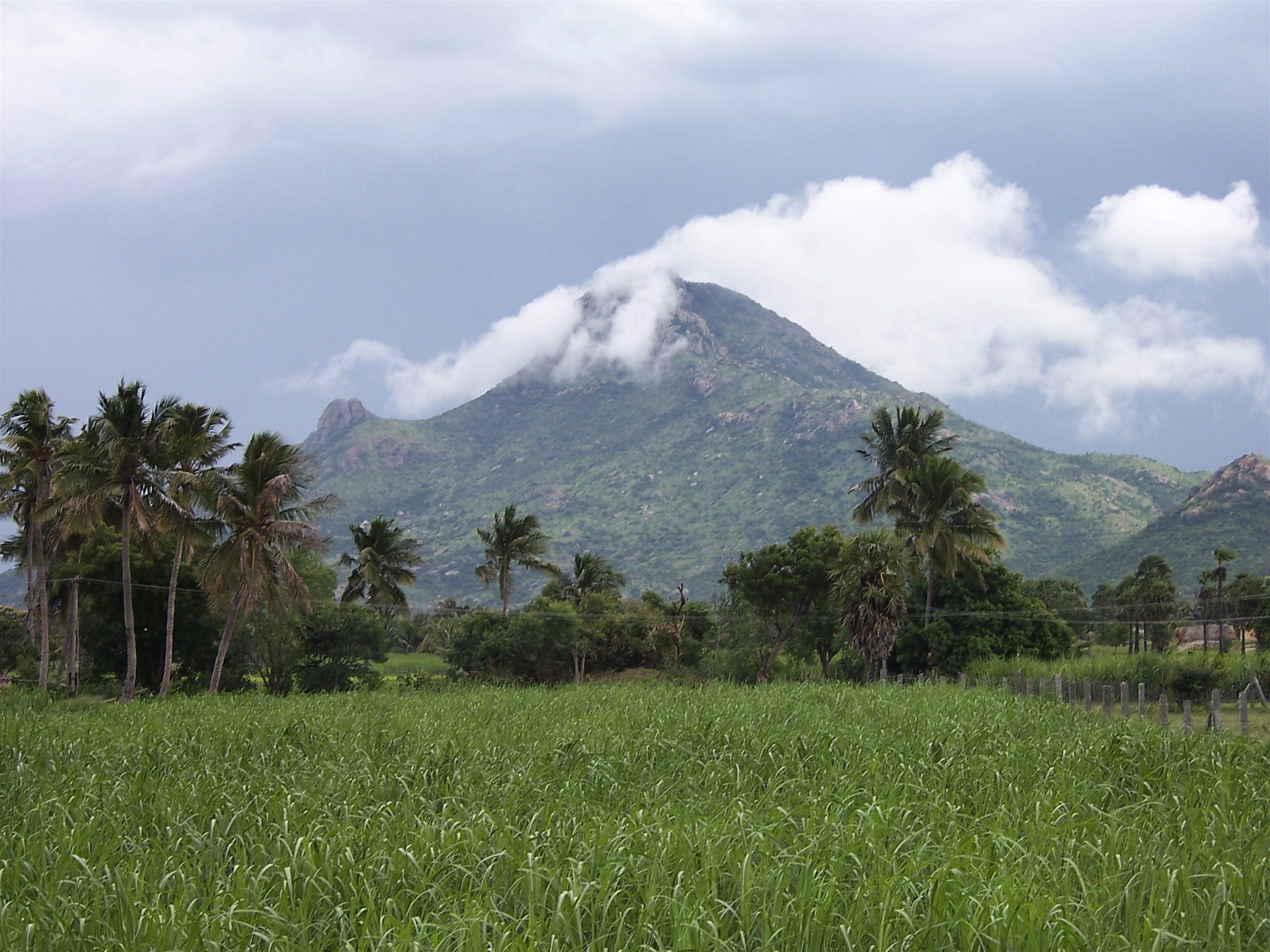
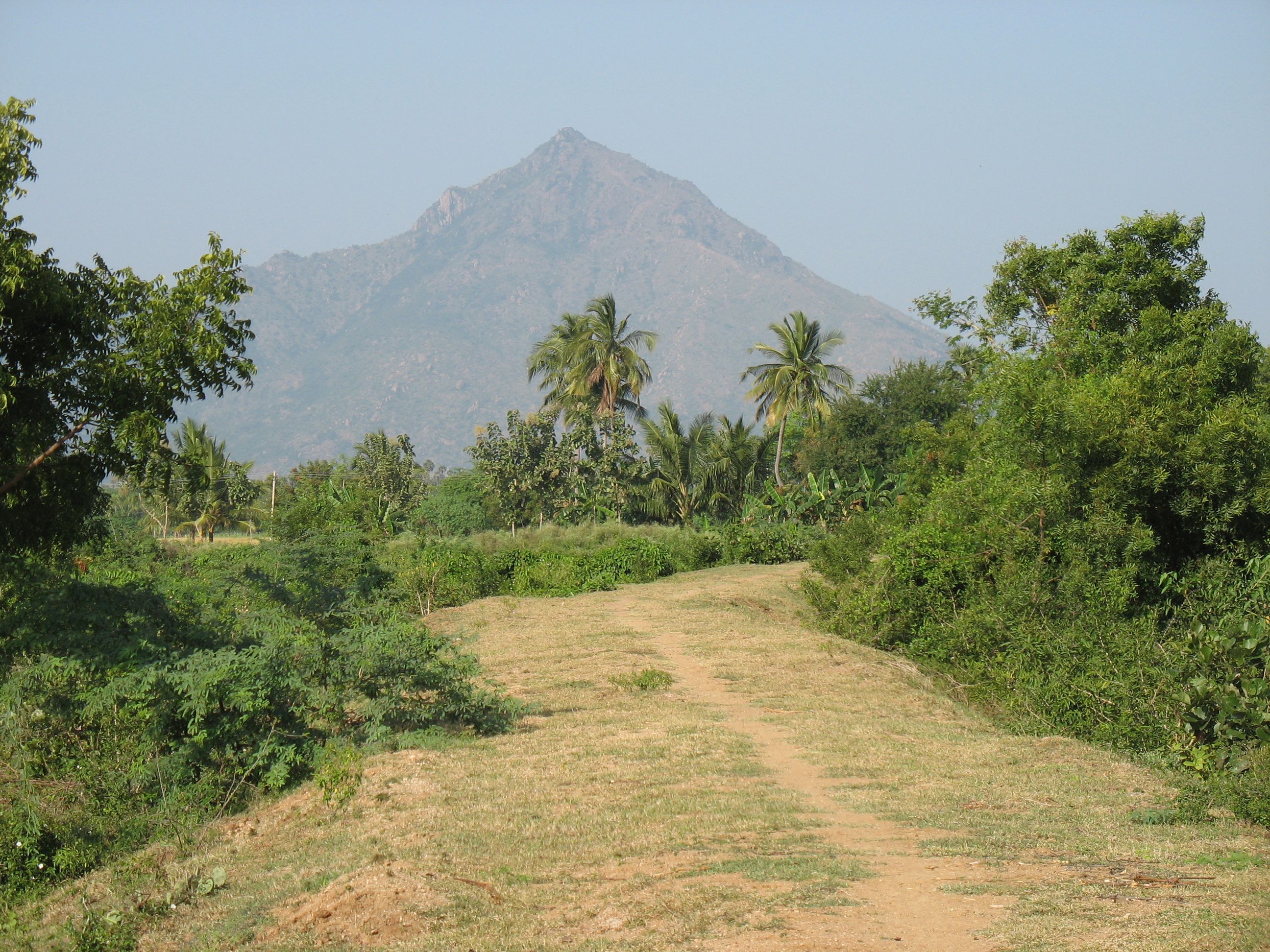
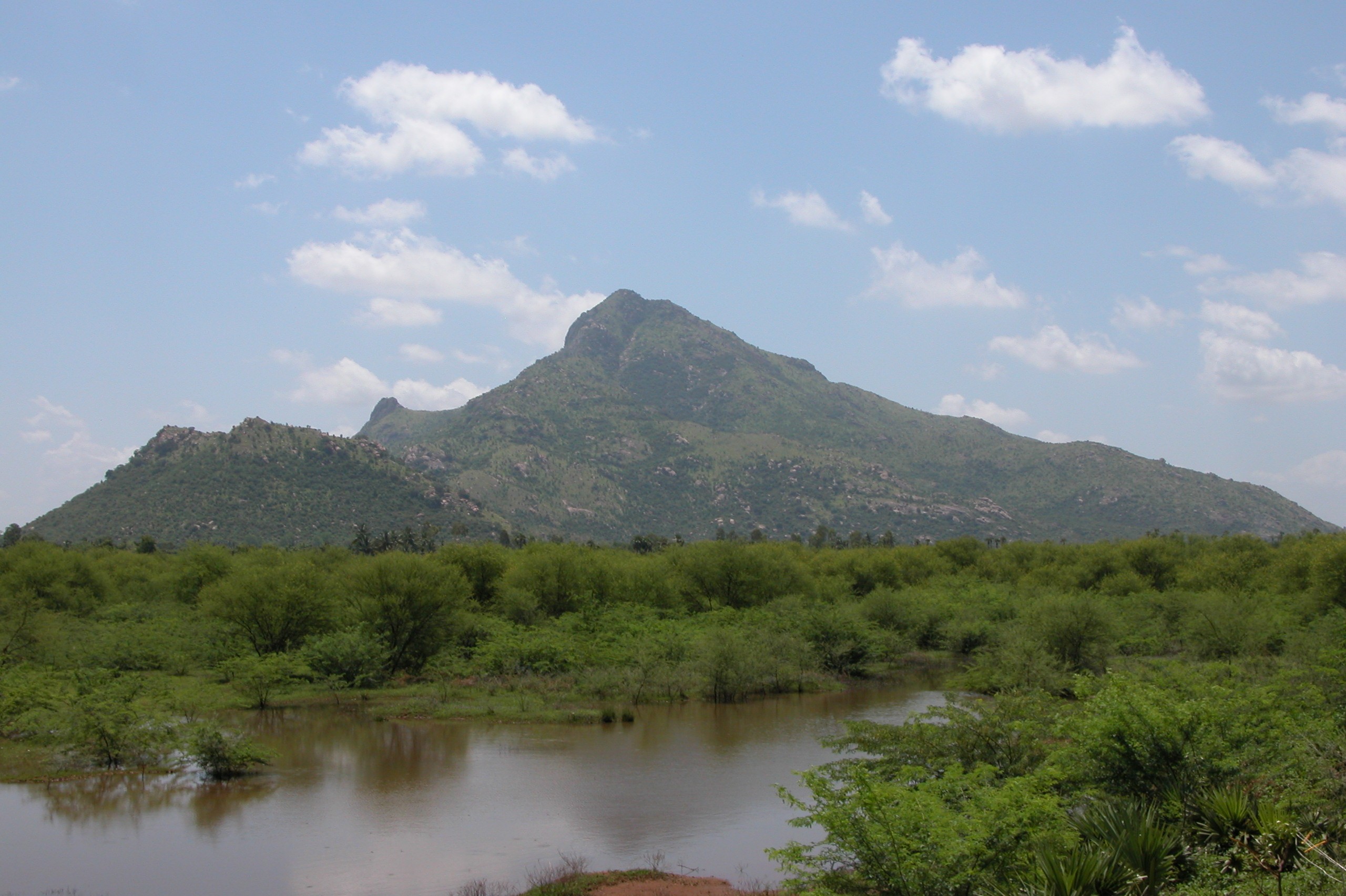
Arunachala is regarded in the Shaiva tradition not merely as a sacred mountain but as the visible form of Shiva as light — a living guru of stillness. Sri Ramana Maharshi taught that Arunachala works inwardly on those who turn toward it, drawing the mind into its own depths without a word spoken.
Girivalam — the circumambulation of Arunachala’s 14-kilometre outer path — is traditionally walked barefoot, in silence, as an act of inner surrender rather than outer exertion. The full moon day of each month draws pilgrims in great numbers; arriving before dawn allows for a quieter, more contemplative walk.
On the Path: Sri Seshadri Swamigal
Sri Seshadri Swamigal lived much of his life in and around Tiruvannamalai, recognized by those with discernment as a realized sage whose unconventional conduct concealed profound inner stillness. His very presence near Arunachala was understood by Sri Ramana as a confirmation that the mountain draws the highest souls to itself.
Arriving at Tiruvannamalai
Those visiting Tiruvannamalai for the first time are often advised to spend the first hours simply sitting in the hall of Sri Ramanasramam before moving anywhere else — allowing the atmosphere of the place to work on them before the mind begins to plan and schedule. The town itself is best received slowly, as a field of practice rather than a list of sites.
May your reading be more than reading — may it open a quiet space within that you recognize as always having been there. The mountain is still; when you are ready, that same stillness is available wherever you are.
Share this story
More Stories
What remains when the mind goes quiet?
A short essay on the silence that was never absent — and how to meet it.
Turning the Light Inward: The Practice of 'Who Am I?'
Self-enquiry is not an intellectual exercise but a sustained, gentle attention to the sense of 'I' before thought claims it. Ramana Maharshi described it as the most direct path to recognising one's true nature. This article traces the practice from its first tentative steps to its natural deepening in silence.
The Silence That Speaks: Resting in the Source of Awareness
Enquiry into the nature of the 'I' is not an intellectual exercise but a gentle, sustained turning of attention toward its own origin. As the Maharshi often pointed out, the mind that sincerely asks 'Who am I?' discovers that the question and the questioner dissolve together. What remains is not emptiness but the luminous stillness of pure Being.
Arunachala
Subscribe