Turning the Light Inward: The Practice of 'Who Am I?'
Ramana Maharshi taught that the mind, when turned toward its own source through the question ‘Who am I?’, gradually loses its restless outward movement. What remains is not a void, but the luminous stillness of pure awareness. This is not an achievement; it is a recognition of what has always been present.
— Talks with Sri Ramana Maharshi, §195
“The state we call realisation is simply being oneself, not knowing anything or becoming anything.” — Sri Ramana Maharshi, Who Am I?
— Bhagavan Sri Ramana Maharshi
A Simple Sitting with Self-Enquiry
Seat yourself comfortably and allow the body to settle. Let the breath find its own rhythm without control.
Turn attention gently toward the feeling of ‘I am’ — not the name or the story, but the bare sense of existing right now.
Whenever a thought arises, ask inwardly and without strain: ‘To whom does this thought appear?’ Return to the source of the question itself.
Rest in whatever remains. There is nothing to force. Continue at your own pace, returning to this enquiry as often as feels natural.
Arunachala: The Mountain That Teaches by Being
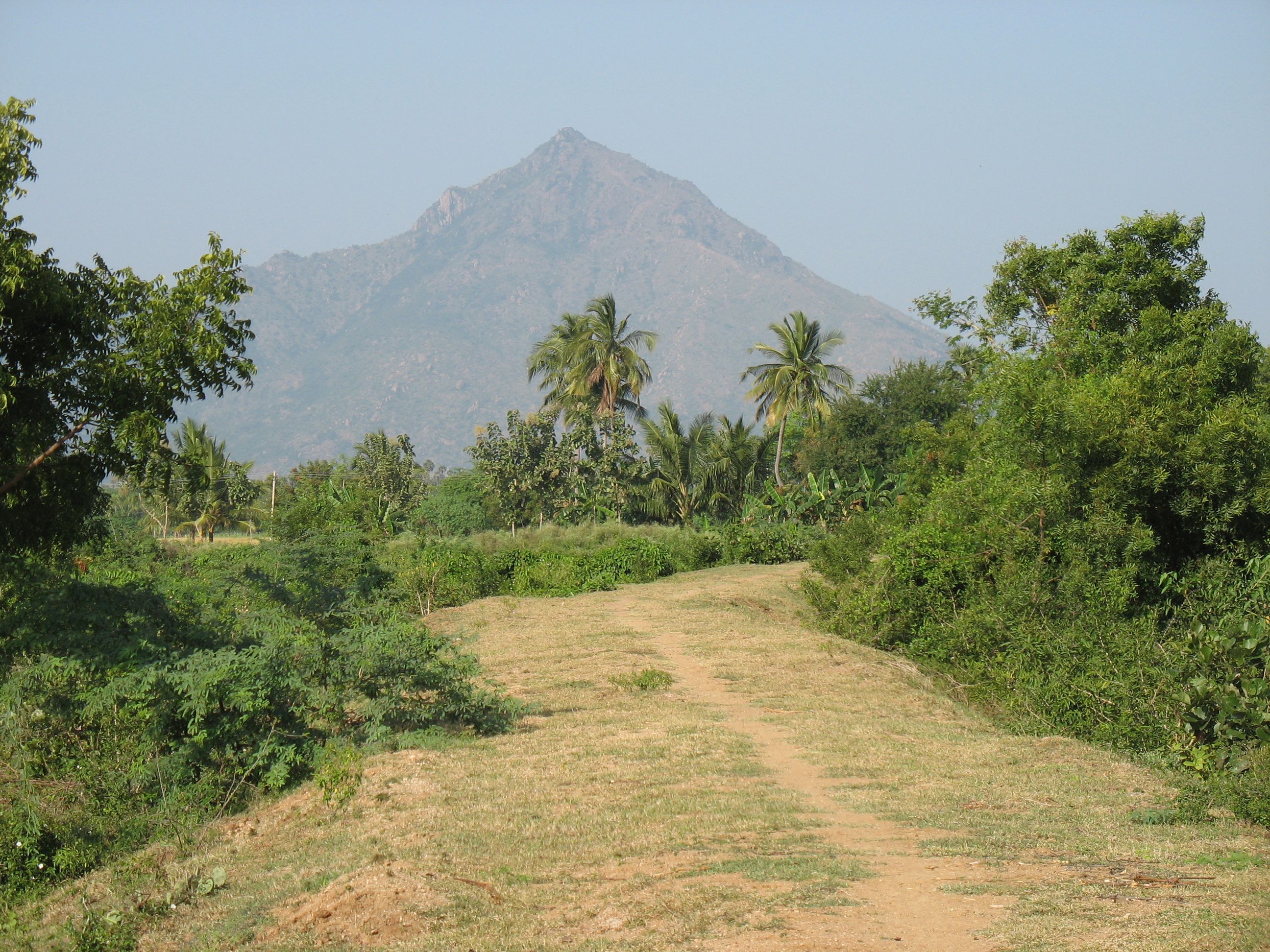
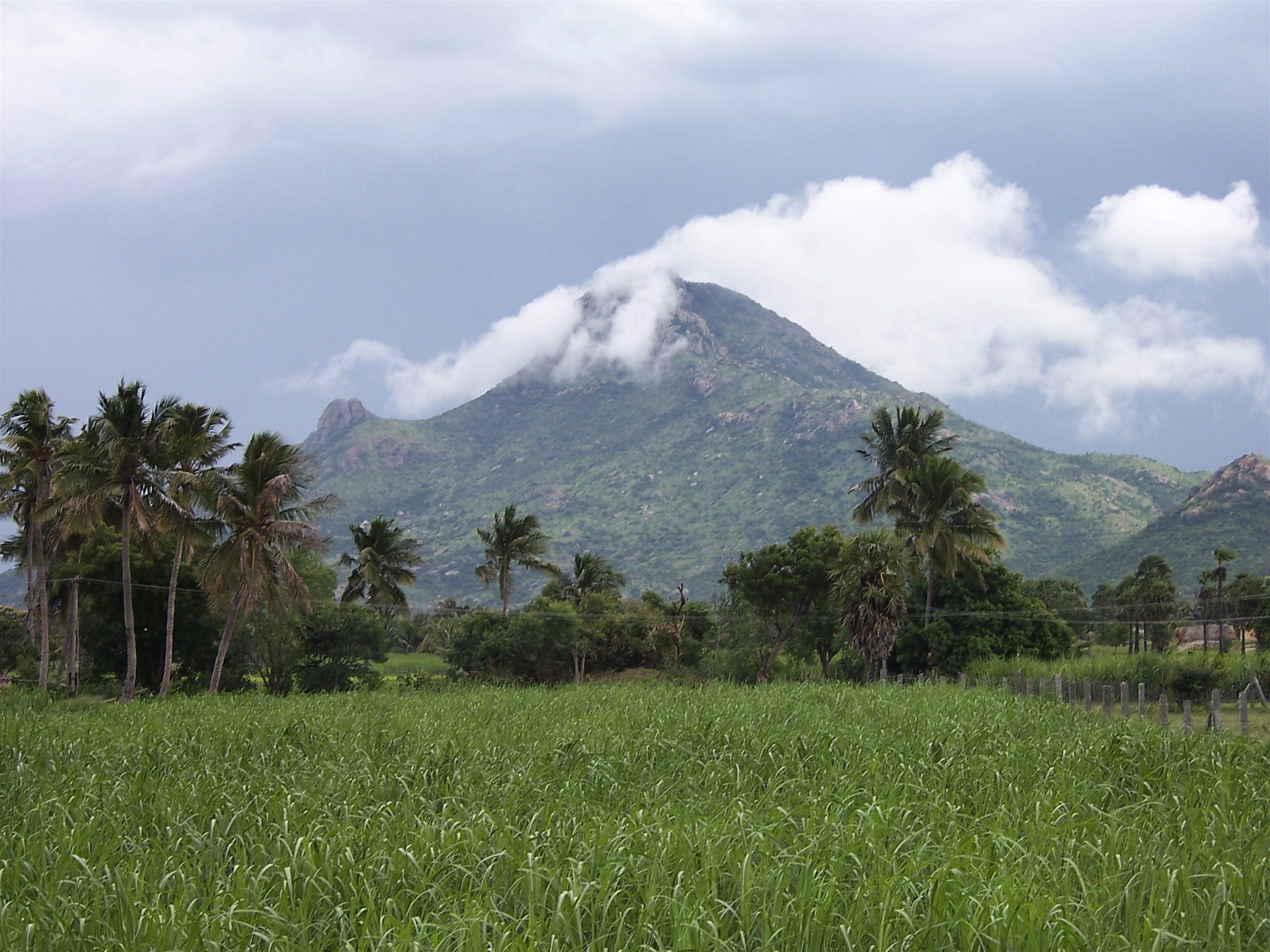
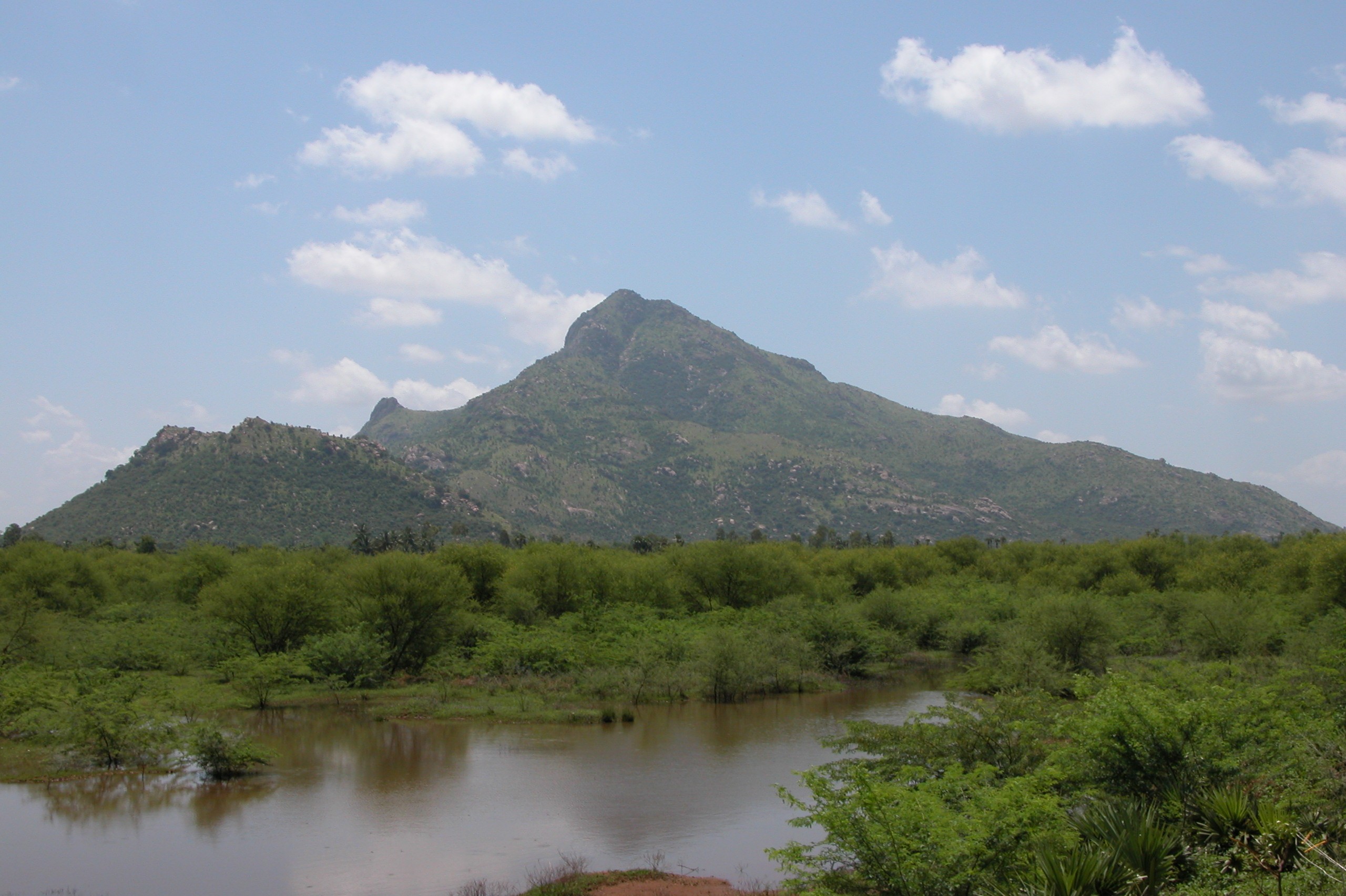
Arunachala in Tiruvannamalai is revered not merely as a sacred hill but as a living presence — Shiva in the form of light and earth, drawing sincere seekers into stillness by the force of its own silence. Ramana Maharshi regarded Arunachala as his Guru, and spent the whole of his adult life in its proximity, never leaving.
Girivalam, the circumambulation of Arunachala along its 14-kilometre pradakshina path, is traditionally performed barefoot in a spirit of surrender and inner attention. The path is accessible at any hour; full-moon nights draw large numbers of pilgrims, while quieter mornings offer a more contemplative walk.
On the Path: Sri Seshadri Swamigal
Seshadri Swamigal was a revered sage of Tiruvannamalai who lived as an avadhuta in and around Arunachala during the same period that Ramana Maharshi was in the Virupaksha Cave. Though his manner was unconventional and often outwardly erratic, those who came near him frequently reported an overwhelming sense of peace — a wordless transmission rooted in his unbroken absorption in the Self.
Visiting Tiruvannamalai: A Word for the Sincere Traveller
Tiruvannamalai is a living pilgrimage town, and Sri Ramanasramam on its southern edge welcomes visitors of all backgrounds in a spirit of quiet hospitality — the ashram observes a natural silence that speaks more than any instruction could. When you are ready to plan your visit, the ashram’s own website offers updated guidance on accommodation, darshan timings, and the etiquette that helps every guest enter the space with care.
May the silence of Arunachala meet you wherever you are sitting, and may the question ‘Who am I?’ open — gently and in its own time — into the peace that asks nothing more. With quiet regards from Arunachala Samudra.
Share this story
More Stories
What remains when the mind goes quiet?
A short essay on the silence that was never absent — and how to meet it.
Turning the Light Inward: The Practice of 'Who Am I?'
Self-enquiry is not an intellectual exercise but a sustained, gentle attention to the sense of 'I' before thought claims it. Ramana Maharshi described it as the most direct path to recognising one's true nature. This article traces the practice from its first tentative steps to its natural deepening in silence.
The Silence That Speaks: Resting in the Source of Awareness
Enquiry into the nature of the 'I' is not an intellectual exercise but a gentle, sustained turning of attention toward its own origin. As the Maharshi often pointed out, the mind that sincerely asks 'Who am I?' discovers that the question and the questioner dissolve together. What remains is not emptiness but the luminous stillness of pure Being.
Arunachala
Subscribe