What remains when the mind goes quiet?
he Ocean That Does Not Move
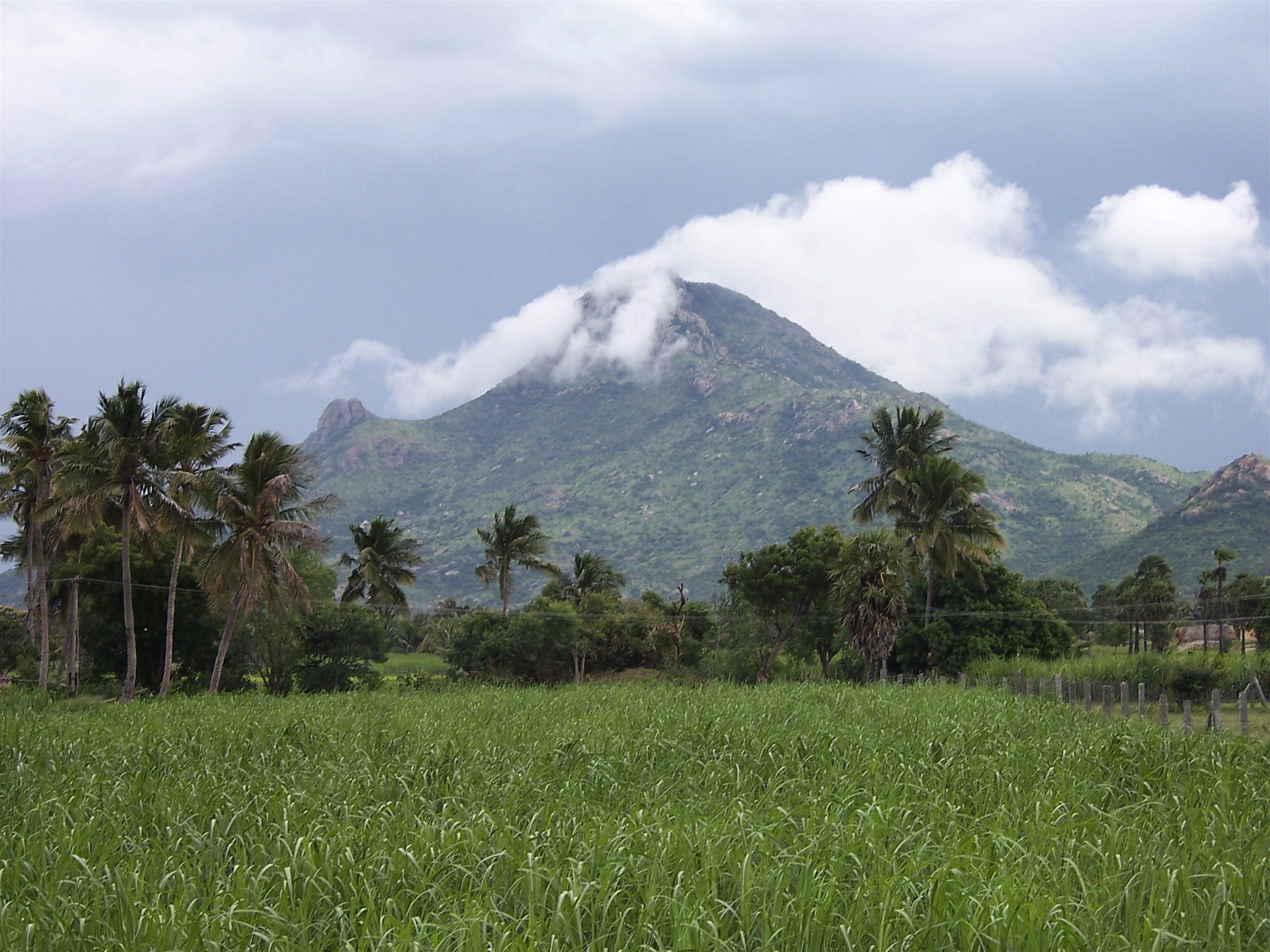
Arunachala Samudra — the ocean of Arunachala. The name itself is a teaching.
An ocean has waves. Some are large, some barely perceptible. From the surface, the movement can seem total — as though the whole body of water is restless, as though restlessness is its nature. Yet anyone who has dived below the surface knows: at a certain depth, there is no wave at all. The same water that storms at the surface rests, undisturbed, below.
The mind is like this. Its thoughts, moods, and stories rise and fall with the rhythm of experience. We spend much of our lives attending to the surface — managing waves, avoiding waves, wishing for calmer waves. This is not wrong. But it is incomplete.
Ramana Maharshi pointed, again and again, to what lies beneath. Not to a state to be constructed through effort, but to a ground that is already present. "Silence is ever-speaking," he said. "It is the perennial flow of language." The stillness he indicated is not the stillness of exhaustion or suppression. It is the stillness of pure being — of the Self simply aware of itself, prior to the movement of thought.
The enquiry he offered — Who am I? — is not a riddle to be solved intellectually. It is an invitation to turn attention inward, toward the one who is asking. When that turning happens sincerely, thought loses its grip for a moment. What remains in that moment
Share this story
More Stories
What remains when the mind goes quiet?
A short essay on the silence that was never absent — and how to meet it.
Turning the Light Inward: The Practice of 'Who Am I?'
Self-enquiry is not an intellectual exercise but a sustained, gentle attention to the sense of 'I' before thought claims it. Ramana Maharshi described it as the most direct path to recognising one's true nature. This article traces the practice from its first tentative steps to its natural deepening in silence.
The Silence That Speaks: Resting in the Source of Awareness
Enquiry into the nature of the 'I' is not an intellectual exercise but a gentle, sustained turning of attention toward its own origin. As the Maharshi often pointed out, the mind that sincerely asks 'Who am I?' discovers that the question and the questioner dissolve together. What remains is not emptiness but the luminous stillness of pure Being.
Arunachala
Subscribe