The Devikalottara
There is a sacred dialogue that belongs not to any single moment in time, but to the silence of eternity itself. At the summit of cosmic awareness, Devi Parvati turns to Lord Shiva with a question both simple and profound: what is the highest path to liberation? Not the path of elaborate ritual. Not the path of complex practice. The direct path. The path that ends the search.
Shiva's answer became the text we know as the Devikalottara — one of the most uncompromising and luminous scriptures in the entire spiritual heritage of India.
Among the many thousands of sacred texts in Sanatana Dharma, Bhagavan Ramana Maharshi held this one in exceptional regard. He personally translated its central chapter - the Jnanachara Vichara Padalam, the inquiry into the conduct of wisdom - into Tamil verse. That single act speaks more than any commentary could. Bhagavan was not someone who wasted words or gestures. If he paused to render this text line by line into his own language, the seeker would do well to pause with it too.
The teaching of the Devikalottara is disarmingly direct. It does not offer a graduated system, a series of progressive initiations, or a spiritual ladder with a hundred rungs. It offers one truth, stated clearly and without apology: Self-knowledge alone brings liberation. Every other practice, however sincere and however refined, can purify the mind and quieten the heart - but it cannot, by itself, remove the ignorance at the root of bondage. Pilgrimage, worship, fire sacrifice, mantra, yogic discipline, acts of charity - Shiva does not dismiss these. He acknowledges their value. But he points beyond them, the way a signpost points beyond itself. The signs are not the destination.
The Devikalottara is precise about where the problem lies. It lies in misidentification. The belief, held not as a philosophical position but as a lived, felt, moment-to-moment conviction - that "I am the body," "I am this personality," "I am this story I have been telling about myself," this is the work of the ego, the I-thought, the ahankara. And as long as this belief remains intact and unexamined, suffering continues, not because life is inherently painful, but because a case of mistaken identity, once believed, colours everything.
The remedy the text offers is equally precise. Trace the I-thought to its source. When a seeker sincerely investigates -not intellectually, not as a philosophical exercise, but as a genuine inner looking - where does this "I" actually arise from? What happens when you look directly for the one who is looking? Something remarkable occurs. The "I" cannot be found as an object. It cannot be located, pinned down, held in the mind's hand. What remains when the search reaches its limit is not absence. It is pure awareness itself. Open. Unmoving. Already here.
This is what the Devikalottara calls Chidakasha ; the sky of consciousness. Think of the sky. Storms may rage across it. Clouds gather and darken. Lightning splits the air. Yet the sky itself is never touched. It does not accumulate the storm. It does not carry the wound of it. In precisely this way, thoughts arise in awareness, emotions arise, experiences of pleasure and pain arise — and the awareness in which they appear remains untouched by any of it. That awareness is not something to be created or cultivated. It is what you already are, before the first thought arises in the morning, and after the last thought dissolves at night.
When this recognition deepens in a person, something natural happens to the quality of their life. The mind grows quieter. The compulsive seeking begins to lose its energy. Praise and criticism stop being events that the whole inner world reorganises itself around. Fear softens, not because life becomes safer, but because the one who was afraid has been gently seen through. A steady stillness settles in. None of this is the result of effort or discipline in the conventional sense. These qualities are simply the fragrance of Self-knowledge as it flowers in a human life.
Perhaps the most radical thing the Devikalottara says is also the simplest. Liberation is not a future event. It does not arrive after death, after the completion of many lifetimes, or at the end of a long spiritual career. Freedom is the recognition of what you already are. The Self was never bound. What we call bondage is the shadow cast by ignorance , and a shadow dissolves not through force but through light.
Bhagavan Ramana lived this truth so completely that his very presence was the teaching. He said, in various ways throughout his life, that the Self is always realised - that what is required is not attainment but the removal of obstacles to recognition. The Devikalottara, in its own ancient voice, says exactly the same thing. Two expressions, one pointing.
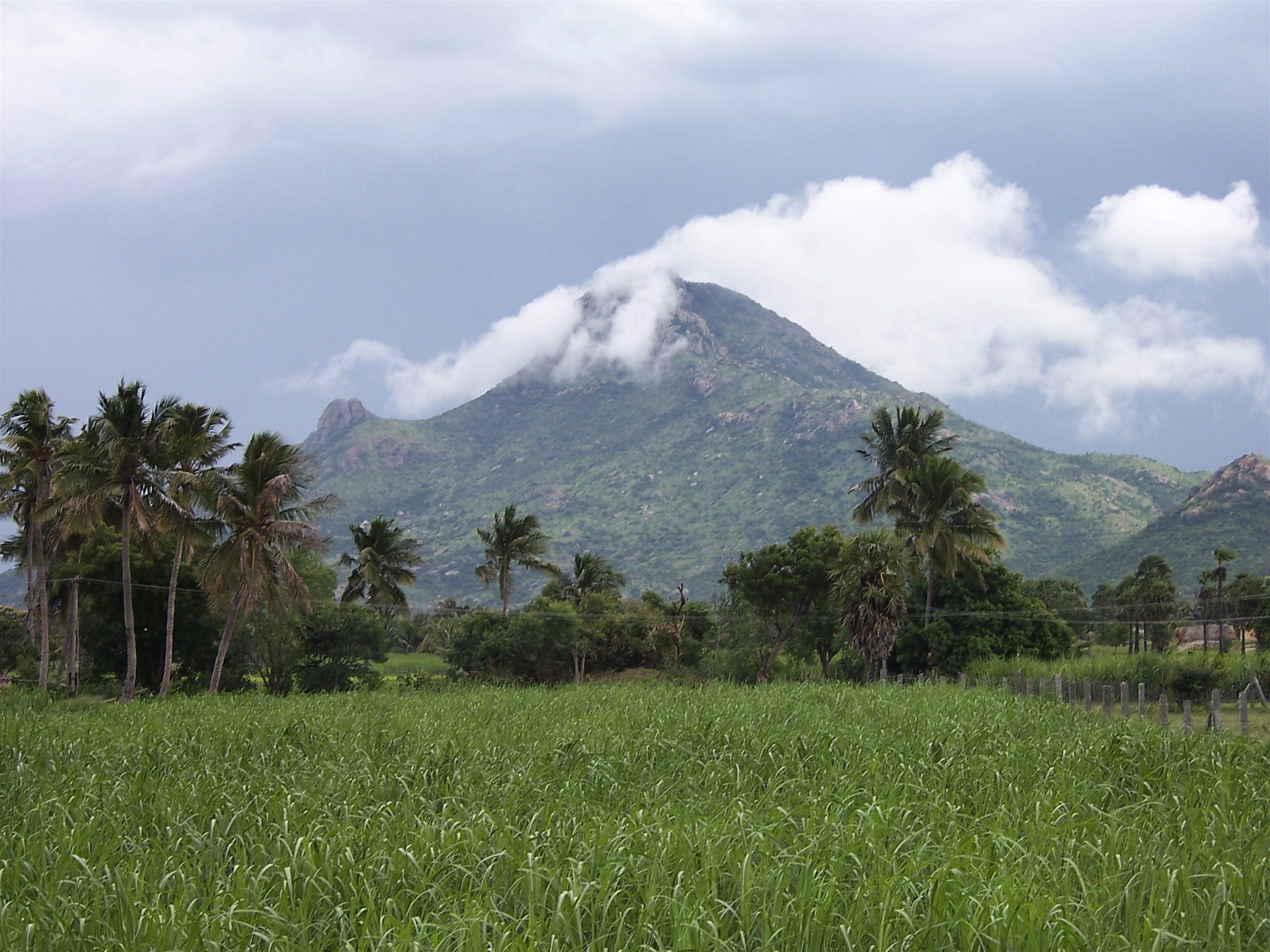
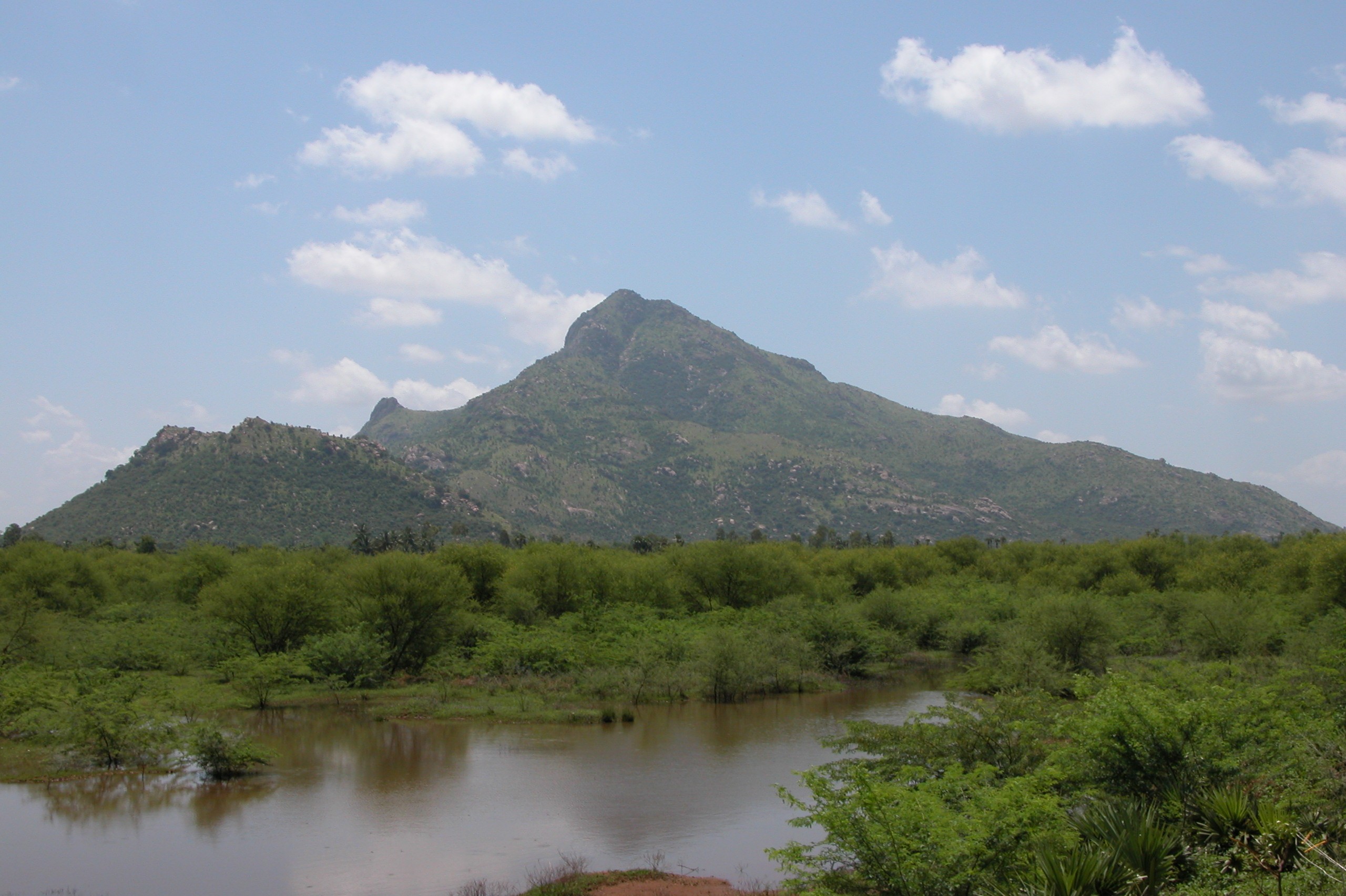
For those drawn to Arunachala, this teaching lands with particular depth. Bhagavan declared, again and again, that Arunachala is not merely a hill of granite and laterite rising from the Tamil plain. It is the visible form of the Self, pure Consciousness appearing in the world as a mountain, drawing seekers into the very inquiry the Devikalottara enshrines. To circumambulate the Hill, to sit quietly in its presence, to simply look toward it- these are not separate from the inner work. They are the inner work, given a form that the heart can recognise and return to.
The Devikalottara does not finally ask for our analysis. It asks for our attention , a quiet turning inward, a sincere willingness to sit with the question that the text places at the centre of everything: What am I, when the mind is still?
Tat Tvam Asi. That thou art.
Not tomorrow. Now.
OM Namo Bhagavate Arunachlaya
Tags: Devikalottara · Ramana Maharshi · Self-Inquiry · Jnana · Arunachala · Liberation · Advaita Vedanta · Sacred Texts
Category: Sacred Texts | Jnana Marga
Share this story
More Stories
What remains when the mind goes quiet?
A short essay on the silence that was never absent — and how to meet it.
Turning the Light Inward: The Practice of 'Who Am I?'
Self-enquiry is not an intellectual exercise but a sustained, gentle attention to the sense of 'I' before thought claims it. Ramana Maharshi described it as the most direct path to recognising one's true nature. This article traces the practice from its first tentative steps to its natural deepening in silence.
The Silence That Speaks: Resting in the Source of Awareness
Enquiry into the nature of the 'I' is not an intellectual exercise but a gentle, sustained turning of attention toward its own origin. As the Maharshi often pointed out, the mind that sincerely asks 'Who am I?' discovers that the question and the questioner dissolve together. What remains is not emptiness but the luminous stillness of pure Being.
Arunachala
Subscribe